
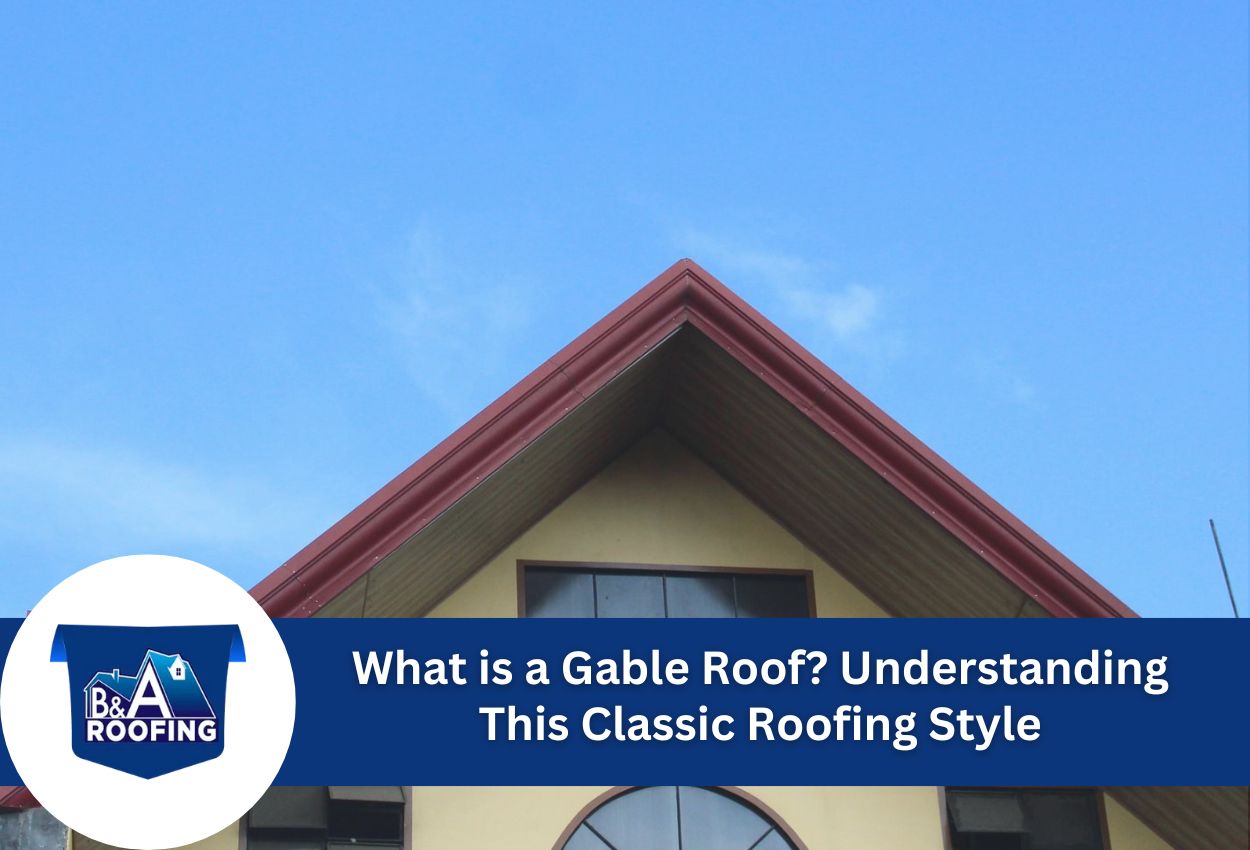
A gable roof is one of the most recognizable and widely used roof designs across the Southern United States, particularly in Mississippi and Northern Alabama. Defined by its triangular shape, a gable roof has two sloping planes that meet in the middle, creating a peak. This classic design isn’t just aesthetically pleasing, it serves important practical purposes in our Southern climate.
The popularity of gable roofs in Southern homes stems from their excellent water runoff capabilities during our region’s frequent heavy rainstorms. The steep slopes allow rainwater and debris to slide off easily, preventing water damage and extending the roof’s lifespan. This design also creates additional attic space, providing natural ventilation that helps combat our notorious summer heat.
Historically, gable roofs have been a staple of American architecture since colonial times. Their simple, effective design made them a practical choice for early Southern settlers, and they’ve remained a cornerstone of residential construction ever since. From modest farmhouses to grand estates, the gable roof has become synonymous with Southern architectural tradition.
For homeowners in our region considering roof replacement or new construction, understanding the features and benefits of gable roof designs can help make smart, long-lasting roofing decisions that stand up to our climate challenges.
Key Design Elements That Define a Gable Roof
Understanding the structural components of a gable roof helps homeowners appreciate what makes this design both functional and versatile for Mississippi and Northern Alabama homes. At its core, a gable roof features a ridge board at the highest point where the two sloping sides meet. These sloping sides consist of rafters that extend from the ridge to the exterior walls, creating the distinctive triangular shape at each end known as the gable end.
The pitch of a gable roof, its steepness or slope, is particularly important in our Southern climate. Steeper pitches allow for better water runoff during heavy storms and provide additional attic space for insulation and ventilation, crucial for managing summer heat. Typically, gable roofs in our region feature a pitch ratio between 4:12 and 9:12 for optimal performance.
Several gable roof variations exist that homeowners might consider. Front gables face the street and create an imposing entryway. Side gables place the triangular sections on the sides of the home. Crossed gables intersect at right angles, adding architectural interest, while box gables include a triangular extension at each end. Dutch gables combine elements of hip and gable designs for enhanced attic space.
Each style offers different advantages for specific home designs, allowing Mississippi and Alabama homeowners to select a gable roof variation that best suits their architectural preferences and practical needs.
Advantages of Choosing a Gable Roof for Your Southern Home
Gable roofs offer significant benefits that make them particularly well-suited for the weather conditions we face in Mississippi and Northern Alabama. One of the most notable advantages is their superior water management capabilities. The steep, sloping design efficiently sheds rain during the frequent thunderstorms and heavy downpours common to our region. This natural drainage system helps prevent water accumulation that can lead to leaks, structural damage, and premature roof deterioration.
Beyond excellent water management, gable roofs provide outstanding ventilation benefits that are crucial for Southern homeowners. The triangular space beneath the roof creates a natural pathway for hot air to rise and escape, keeping your home cooler during our sweltering summer months. This improved airflow can significantly reduce cooling costs and extend the lifespan of your roofing materials by preventing heat buildup that accelerates shingle deterioration.
The spacious attic area created by a gable roof design offers practical advantages as well. This extra space provides room for additional insulation, further enhancing your home’s energy efficiency. It can also accommodate HVAC equipment, storage, or even potential living space — flexibility that many Southern homeowners appreciate. The combination of these benefits makes gable roofs a good choice for homes throughout Mississippi and Northern Alabama, providing practical solutions to our region’s specific climate challenges.
Potential Drawbacks to Consider Before Installing a Gable Roof
While gable roofs offer many advantages for Southern homeowners, they do present some challenges specific to our Southern climate. Most notably, gable roofs can be vulnerable to high winds during hurricane season, particularly if not properly constructed. The large, flat end walls (gable ends) can catch wind like a sail, creating uplift pressure that may damage or even detach the roof structure in extreme weather conditions. This risk is especially relevant in coastal areas of Mississippi, where tropical storms are more frequent.
Professional reinforcement techniques can address these wind vulnerabilities. Bracing of gable ends, hurricane straps connecting the roof to wall frames, and strategic roof truss design can significantly enhance wind resistance. Our experienced roofers implement these critical reinforcements to ensure your gable roof stands strong against Southern storms.
Maintenance requirements also deserve consideration. The steep slopes of gable roofs in our humid Southern climate can develop algae and mold growth, requiring periodic cleaning. Additionally, the exposed gable ends may need more frequent repainting or sealing to protect against moisture damage. Gutters on gable roofs require regular cleaning to prevent water backup during our heavy rain seasons, particularly when surrounded by pine trees common throughout Mississippi and Alabama.
Understanding the potential drawbacks of gable roofs helps homeowners decide whether this roof shape is the right choice for their specific location and maintenance preferences.
Gable Roofs vs. Hip Roofs: Differences to Know
When selecting a roof design for your Mississippi or Northern Alabama home, the choice between gable and hip roofs requires thinking about your local climate. Hip roofs feature slopes on all four sides that meet at the top, creating a more compact pyramid-like structure. In contrast, gable roofs have only two sides that come together at a ridge. This fundamental difference affects how each performs in our Southern weather patterns.
Hip roofs generally offer better wind resistance, making them a good option in areas prone to hurricanes or strong storms. Their four-sided design provides greater stability and fewer flat surfaces for wind to push against. This makes hip roofs an excellent consideration for coastal Mississippi homeowners who face heightened hurricane risks. Gable roofs, while more vulnerable to extreme winds, provide superior water drainage during our region’s heavy rainstorms.
Energy efficiency also differs between these designs. Hip roofs typically allow for more consistent attic insulation, potentially improving cooling efficiency during our hot summers. Gable roofs, however, can provide more attic space for ventilation, which helps manage heat buildup under the roof deck. For homeowners in Northern Alabama’s varied climate, this ventilation advantage might outweigh wind resistance concerns.
The right roof shape depends on your specific location within our service area, local weather patterns, and your home’s architectural style. Professional assessment from experienced local roofers can help determine which design offers the optimal balance of protection and efficiency for your particular circumstances.
The Gable Roof Installation Process Explained
Installing a gable roof typically starts with an assessment of your home’s structure to ensure it can support the roof design. Our experienced contractors then create detailed plans that account for local building codes and weather considerations specific to our Southern region.
The installation timeline generally spans a couple of weeks, depending on your home’s size and complexity. After removing any existing roofing system, contractors install the ridge board as the backbone of the gable structure. Rafters are then precisely positioned to create the characteristic slope, followed by sheathing that provides the solid base for roofing materials. Proper installation of underlayment is particularly crucial in our humid climate to prevent moisture infiltration.
Quality roofing contractors prioritize several critical checkpoints during installation. First, ensuring proper ventilation prevents heat and moisture buildup that can quickly damage roofing materials in our Southern climate. Second, correctly installed flashing around vents and in roof valleys prevents water intrusion during heavy Mississippi downpours. Finally, secure fastening of all materials according to manufacturer specifications enhances wind resistance during storm season.
Professional installation by experienced Southern roofing contractors ultimately determines how well your gable roof will perform. When correctly constructed with these regional considerations in mind, a gable roof provides decades of protection and efficiency for Mississippi and Northern Alabama homes.
Maintaining Your Gable Roof in the Southern Climate
The hot, humid climate of Mississippi and Northern Alabama means gable roof maintenance is non-negotiable. Regular care is essential to maximize your roof’s lifespan and performance through our harsh weather conditions. A well-maintained gable roof can last decades, but neglect can cut that lifespan significantly.
Seasonal maintenance should follow a consistent schedule. In spring, inspect for winter damage and clear debris from valleys and gutters to prepare for rainy seasons. Summer calls for attic ventilation checks to ensure heat isn’t building up under your roof deck — a common issue that accelerates shingle deterioration in our hot climate. Fall maintenance should focus on clearing leaves and pine needles that can trap moisture against roofing materials. During winter, examine for loose shingles after storms.
Watch for warning signs that require professional attention. Dark spots on ceilings indicate water intrusion, while visible sagging suggests structural issues. Granules from asphalt shingles in gutters signal advanced wear, particularly common in our sun-intense region. Algae and moss growth, prevalent in our humid environment, should be addressed promptly as they trap moisture against roofing materials. Cracked or curling shingles need immediate attention, as do damaged flashing around vents or chimneys.
Professional inspections by qualified local contractors are recommended annually, as they understand the specific challenges our regional climate poses to gable roofs.
Ensure Your Home’s Durability with B & A Roofing and Gutters
If you’re considering a new roof for your Southern home, understanding the benefits and challenges of a gable roof is crucial. At B & A Roofing and Gutters, we specialize in installing gable roofs that are not only beautiful but also designed to withstand Mississippi’s climate. With our expertise, your home can benefit from improved ventilation, better water drainage, and increased attic space, all while maintaining the classic Southern architectural style.
However, it’s important to consider the specific maintenance and reinforcement needs of gable roofs in hurricane-prone areas. Our team at B & A Roofing and Gutters is here to provide you with all the necessary information and services to ensure your roof is durable and long-lasting. Call us today at (601) 520-3183 to schedule a consultation and ensure your roof is prepared to protect your home year-round.