
Metal roofs are known for their durability, but even the sturdiest roofing systems can develop leaks over time. For homeowners in Mississippi and Northern Alabama, where severe weather frequently tests roofing materials, addressing metal roof leaks quickly is essential to prevent structural damage and interior water problems. The good news? Most metal roof leaks can be completely sealed by homeowners using the right techniques and compatible materials.
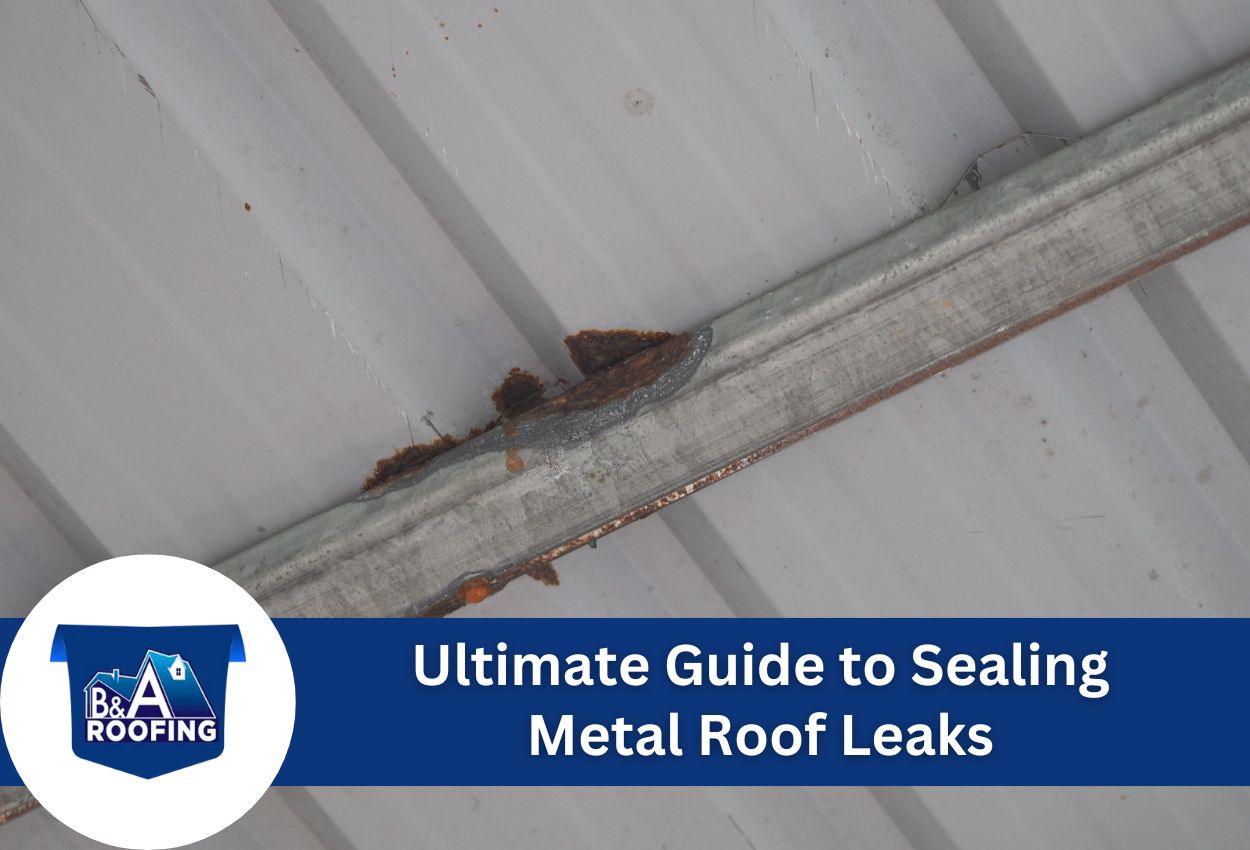
Understanding the common causes of leaks is the first step toward a successful repair. Damaged seams where metal panels meet, loose or deteriorated fasteners, developing rust spots, and compromised flashing around roof penetrations represent the most frequent culprits behind metal roof leaks. These issues often emerge after years of exposure to harsh sunlight, heavy rainfall, and temperature fluctuations typical of the Southern climate.
While a professional inspection from a qualified roofing contractor provides the most comprehensive assessment, many homeowners can tackle smaller leaks with DIY metal roof repair methods. Proper maintenance and timely intervention not only stop current leaks but also prevent future water intrusion problems. The key lies in identifying the precise source of the leak and applying the appropriate metal roof sealant products designed specifically for metal roofing systems.
Identifying the Source: Finding Metal Roof Leaks Before Repairs
Successfully sealing metal roof leaks begins with accurate leak detection. Metal roofs can be deceptive — water often enters at one point but travels along beams or panels before dripping through your ceiling in a completely different location. This makes proper inspection techniques essential for effective repairs.
Start your inspection in the attic, looking for water stains, wet insulation, or dampness along the roof decking. Use a flashlight to examine the underside of the roof during daylight hours, watching for pinpoints of light that indicate penetration points. For Mississippi and Alabama homes, pay special attention to valleys, transitions, and around roof penetrations like vents or chimneys, as these areas are particularly vulnerable during Gulf Coast downpours.
Weather patterns unique to the Southeast significantly impact how metal roofs perform. The combination of high humidity, intense summer heat, and frequent heavy rainfall can cause expansion and contraction that stresses sealants and fasteners over time. Some leaks may only appear during driving rain from specific directions or during certain seasons. For this reason, it’s recommended to check potential problem areas during different weather conditions.
Deteriorated sealants often reveal themselves through cracking, shrinking, or pulling away from surfaces. Examine all flashing carefully, as well as the rubber gaskets around exposed fasteners, which commonly fail first. Identifying these issues early allows for targeted metal roof maintenance solutions before extensive structural damage is done.
Tools and Materials Homeowners Need for Metal Roof Leak Repair
Having the right tools and materials on hand is crucial for successfully sealing metal roof leaks. The harsh Southern climate of Mississippi and Northern Alabama means products must be specifically formulated to withstand extreme heat, humidity, and sudden downpours. Before climbing onto your metal roof, ensure you’ve gathered all necessary supplies for a lasting repair.
Quality sealants designed specifically for metal roofs provide the best defense against leaks. Look for butyl rubber sealants, polyurethane caulks, or silicone-based products labeled for metal roof applications. These specialized sealants maintain flexibility through temperature changes while creating waterproof barriers that resist UV degradation. For emergency repairs, consider high-quality roof repair tapes with butyl adhesive backing that conform to irregular surfaces and provide immediate protection.
Your toolkit should include brushes and metal cleaners to properly prepare surfaces before applying sealants. A caulking gun with a smooth action ensures even application, while putty knives help shape and smooth sealants around flashing and seams. Safety equipment is non-negotiable — sturdy footwear with grip, fall protection harnesses, gloves, and safety glasses protect you during repair work. For cleaning, have mineral spirits or manufacturer-recommended solvents ready to remove old sealant residue and ensure proper adhesion of new materials.
Remember that surface preparation often determines repair longevity. Most quality metal roof repairs require thoroughly cleaned, dry surfaces and application during moderate temperatures for optimal curing and adhesion.
Step-by-Step Metal Roof Leak Sealing Techniques
Correctly sealing metal roof leaks requires careful preparation and precise application techniques, especially in the humid regions of Mississippi and Northern Alabama. Following a step-by-step approach means the repairs will withstand our region’s challenging weather conditions while extending your roof’s service life.
Before applying any sealant, thorough surface preparation is essential. Begin by removing debris, dirt, and loose material from the repair area using a brush. For stubborn rust spots, use a wire wheel attachment on a drill to expose clean metal. Next, wash the area with a specialized metal cleaner and allow it to dry completely — this may take longer in our region’s humidity but can’t be rushed. For maximum adhesion, lightly scuff the clean surface with fine sandpaper, then wipe with a solvent like acetone to remove any remaining oils or residues.
When applying sealants to different problem areas, technique matters. For seams and lap joints, apply a thin bead of sealant directly into the gap, pressing firmly to eliminate air pockets. Loose fasteners should be removed, cleaned, and replaced with slightly larger screws, then topped with a dollop of sealant. For valley repairs, apply sealant in layers, allowing partial curing between applications. When sealing around penetrations like vent pipes, create a waterproof collar by applying sealant in a circular pattern, building it up to form a water-shedding slope. Always smooth the final application with a putty knife for professional results and optimal water resistance.
Addressing Problematic Areas: Valleys, Flashing, and Penetrations
Valleys and penetrations represent the most vulnerable points on any metal roofing system. These areas concentrate water flow and create complex sealing challenges that require specialized techniques to prevent leaks. For homes throughout Mississippi and Northern Alabama, where seasonal storms can dump inches of rain in short periods, properly sealed valleys and penetrations are necessary for roof integrity.
Metal roof valleys require particular attention as they channel significant water volume during downpours. To repair leaking valleys, first remove any debris and thoroughly clean the metal surfaces. Apply a thick bead of high-grade butyl rubber sealant along both sides of the valley, ensuring complete coverage of any gaps or separations. For severe cases, installing new valley flashing with proper overlaps might be necessary, with each piece properly shingled to direct water downward without infiltration.
Roof penetrations require equally careful treatment. Vents, chimneys, skylights, and HVAC mounts all interrupt the roofing system’s natural watershed. When sealing around these elements, create a watertight boot by applying sealant in concentric rings, building outward from the penetration. For chimney flashing, step flashing must be properly integrated with counter flashing to prevent water intrusion. Remember that each penetration requires both flashing and sealant to maintain waterproof integrity through years of thermal cycling and weather exposure.
Always use compatible materials when repairing these critical areas — some sealants can react poorly with certain metal coatings, potentially causing more problems than they solve.
Preventing Future Metal Roof Leaks with Regular Maintenance
The best defense against metal roof leaks is a proactive maintenance strategy tailored to the weather conditions faced by homeowners in Mississippi and Northern Alabama. Establishing a regular inspection schedule, typically in spring and fall, helps identify potential problems before they develop into leaks. After severe weather events like hurricanes or heavy thunderstorms, additional inspections are highly recommended.
A seasonal maintenance program should include clearing debris from valleys, gutters, and drainage paths where water naturally concentrates. Pine needles, leaves, and small branches can trap moisture against metal surfaces, accelerating corrosion and compromising sealants. Pay special attention to areas around chimneys, vents, and other penetrations where sealants are most likely to degrade from UV exposure and temperature fluctuations.
Extending the life of your metal roof repairs requires periodic reapplication of sealants in high-stress areas before they fail. Most quality metal roof sealants have a 5 to 10-year lifespan in our Southern climate, but areas that receive direct afternoon sun may require more frequent attention. When washing your metal roof, use only manufacturer-approved cleaning solutions that won’t damage protective coatings or accelerate corrosion. Avoid walking on metal panels whenever possible, as this can damage protective finishes or create depressions where water pools.
Remember that catching small issues early through consistent maintenance not only prevents leaks but significantly extends the overall lifespan of your metal roofing system, protecting your investment for decades to come.
When to Call the Professionals to Seal Metal Roof Leaks
While many metal roof leaks can be handled with DIY solutions, certain situations signal it’s time to call professional roofing contractors. Recognizing these warning signs can save you from expensive damage and ensure your roof receives the right attention. If you notice structural sagging, extensive rust that has compromised large sections of metal, or multiple failed repair attempts, these indicate problems beyond typical homeowner maintenance capabilities.
Professional intervention becomes necessary when leaks persist despite your best efforts or when working on steep pitches presents significant safety hazards. Additionally, if your metal roof has specialty coatings or finishes, DIY repairs might void manufacturer warranties. Experts have specialized equipment to detect hidden moisture problems that might not be visible to the untrained eye, preventing extensive interior damage before it begins.
Mississippi and Alabama homeowners benefit significantly from professional maintenance plans that include biannual inspections. These programs typically document roof conditions, identify emerging problems, and provide priority service during storm seasons. Professional contractors can also use commercial-grade sealants with longer lifespans than consumer products. Most importantly, established roofing professionals understand regional weather patterns and how they affect different metal roofing systems, allowing them to recommend preventve measures specific to coastal or inland properties. Their expertise ensures that repairs not only fix current leaks but also address underlying issues that could compromise your roof’s integrity.
Protect Your Home with Expert Metal Roof Leak Sealing from B & A Roofing and Gutters
If you’re struggling with persistent leaks in your metal roof, don’t wait for the problem to worsen. Water damage can lead to significant structural issues and major repairs if not addressed promptly. At B & A Roofing and Gutters, we specialize in sealing metal roof leaks to safeguard your home against the unpredictable weather in Mississippi and Alabama. Our experienced team uses top-of-the-line sealants and proven techniques to effectively stop leaks and prevent future damage.
Don’t let a small leak turn into a big problem. Call B & A Roofing and Gutters at (601) 520-3183 and ensure your roof is secure and leak-free. Our professional services are your best defense against the elements.