
Understanding Roofing Underlayment and Moisture Barriers
If you’re deep in the weeds comparing roofing materials, specs, and contractor bids, there’s a layer of your roof that doesn’t always get the attention it deserves — and it’s literally the layer that sits between your deck and your shingles. Roofing underlayment and moisture barriers are unglamorous topics, but they’re where a lot of the technical differences between a quality installation and a mediocre one actually live. If you’re comparing proposals and one contractor specified synthetic underlayment while another quoted felt, that’s a decision worth understanding before you sign anything.
This guide breaks down the types, technical specs, performance differences, and why your underlayment choice matters more in the South’s humid climate than almost anywhere else in the country.
What Roofing Underlayment Actually Does
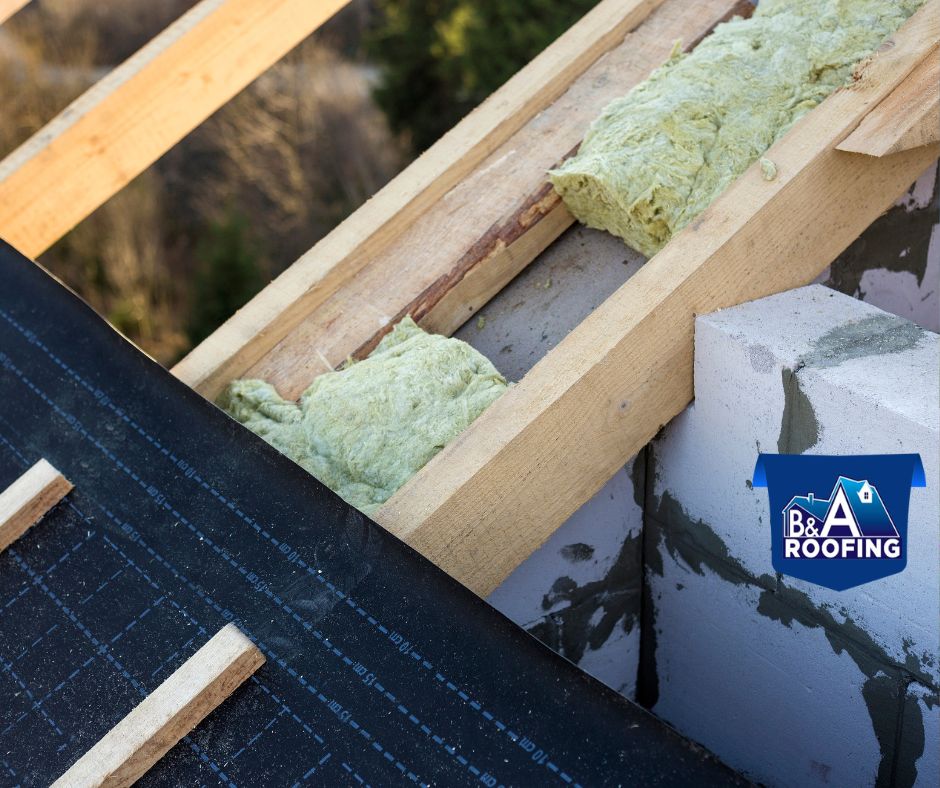
Underlayment is the layer installed directly over the roof deck before shingles, metal panels, or any other finish material goes on. It serves three primary functions: it acts as a temporary weatherproof layer during installation, it provides a secondary water barrier if the primary roofing material fails or is breached, and it manages vapor and moisture transfer between the roof deck and the attic space below. In humid climates like Mississippi, Alabama, and Georgia, that third function is arguably the most important of the three.
According to the U.S. Department of Energy’s guidance on moisture control in homes, improper moisture management in the building envelope — which includes the roof assembly — is one of the leading causes of structural degradation, mold growth, and indoor air quality issues. Underlayment selection is a direct part of that moisture equation.
Roofing Underlayment Types: A Technical Comparison
There are three main categories of roofing underlayment on the market, each with its own material makeup, performance profile, and appropriate applications. Here’s how they compare on the specs that matter most when you’re evaluating a roofing proposal.
| Underlayment Type | Base Material | Weight (per square) | Tear Resistance | UV Exposure Limit | Moisture Resistance |
|---|---|---|---|---|---|
| Felt #15 | Asphalt-saturated felt | ~8 lbs | Low | Days to weeks | Moderate — absorbs moisture over time |
| Felt #30 | Heavier asphalt-saturated felt | ~16 lbs | Moderate | Weeks | Better than #15 but still absorbs |
| Synthetic (polypropylene / polyethylene) | Woven or laminated polymer | ~3 to 5 lbs | High | Months to 6+ months | Excellent — repels rather than absorbs |
| Self-adhering (ice and water shield) | Rubberized asphalt + polyethylene | ~45 to 55 lbs | Very High | Limited — must be covered quickly | Highest — self-seals around fasteners |
FAQ: What is synthetic underlayment and why does it matter?
Synthetic underlayment is a polymer-based product — usually woven polypropylene or laminated polyethylene — that replaces traditional asphalt-saturated felt. It matters for several reasons that become immediately visible when you compare the specs: it’s significantly lighter per roll, making installation faster and safer on steep slopes; it’s dramatically more tear-resistant, so it holds up better during installation and during the window between deck coverage and shingle application; it repels moisture rather than absorbing it; and it can handle UV exposure for months rather than days, which matters if your project gets delayed mid-installation. For any technical roofing comparison, synthetic is the modern standard that most quality contractors now specify by default.
Synthetic Underlayment Benefits: The Performance Gap Over Felt
When you’re comparing contractor proposals side by side, underlayment is one of the line items most people gloss over. Here’s a direct performance comparison that makes the stakes clearer.
Underlayment Performance Comparison — Key Attributes (Relative Score out of 10)
Based on manufacturer spec data and field performance benchmarks across residential roofing applications
Tear Resistance
Moisture Resistance
UV Exposure Tolerance
Scores are relative benchmarks based on manufacturer specifications and industry performance data, not laboratory test values. Self-adhering UV score reflects its requirement to be covered quickly.
Moisture Barrier for Roof in Humid Climates: Why the South Is Different
Humidity changes the underlayment equation significantly. In dry climates, the moisture barrier function of underlayment is largely about rain infiltration during storms. In the Gulf Coast, Mississippi, Alabama, and Georgia, you’re dealing with sustained ambient humidity that works on a roof assembly year-round — not just when it’s actively raining.
That persistent moisture pressure means underlayment that absorbs vapor rather than blocking it will gradually degrade the roof deck from below, even when the surface above looks perfectly intact. It also means the attic ventilation strategy and the underlayment type need to work together, not fight each other.
FAQ: Do I need a moisture barrier in a humid climate?
In humid climates like those across the Deep South, a moisture-resistant underlayment isn’t a luxury — it’s the minimum. The more precise question is what type of moisture management your specific roof assembly needs. A standard synthetic underlayment handles bulk water and most vapor pressure well. In high-humidity zones or on low-slope roofs, a fully adhered system or a vapor-permeable membrane may be appropriate depending on how your attic is designed to breathe. The wrong choice — particularly an impermeable barrier over a poorly ventilated attic — can trap moisture inside the assembly rather than managing it. This is a detail worth discussing specifically with your contractor based on your attic configuration, not just checking a box on a materials list.
| Climate Zone | Primary Moisture Threat | Recommended Underlayment | Key Consideration |
|---|---|---|---|
| Hot and humid (MS, AL, GA coast) | Vapor drive + wind-driven rain | Synthetic + self-adhering at eaves and valleys | Pair with adequate attic ventilation |
| Hot and semi-humid (inland MS, AL, GA) | Summer humidity, afternoon storms | Synthetic across full deck | Felt is undersized for this environment |
| Low-slope or flat commercial | Ponding, membrane seam infiltration | Fully adhered system + proper drainage | Drainage design is as critical as the membrane |
| Transitional (northern AL, TN border) | Ice damming risk + summer humidity | Synthetic + extended self-adhering at eaves | Ice and water shield coverage may be code-required |
Best Underlayment for the South: What to Specify When Comparing Bids
If you’re reviewing contractor proposals and want to know exactly what to look for on each spec sheet, here’s the practical breakdown. The best underlayment for Southern installs combines a high-quality synthetic across the full field of the roof with a self-adhering membrane at all high-risk zones — eaves, valleys, penetrations, and around any skylights or chimneys.
| Roof Zone | Recommended Underlayment | Why This Zone Needs Attention |
|---|---|---|
| Full deck field | Synthetic (polypropylene or polyethylene) | Primary moisture defense across the entire surface |
| Eaves (first 3 to 6 ft) | Self-adhering / ice and water shield | Wind-driven rain infiltration point, gutter backup zone |
| Valleys | Self-adhering / ice and water shield | Highest water concentration point on the roof |
| Around penetrations (vents, skylights, chimneys) | Self-adhering flashing tape + field underlayment | Most common entry point for water infiltration |
| Low-slope sections (<2:12 pitch) | Fully adhered self-adhering system | Slow water runoff means higher infiltration risk |
For metal roofing, underlayment selection has an additional dimension: condensation management. Metal surfaces experience temperature swings that cause moisture to condense on the underside of panels, and the wrong underlayment — particularly an impermeable barrier without drainage capacity — can trap that condensation against the deck. If you’re evaluating metal roof specs and looking at coating maintenance down the line, asking about the best paint for metal roof surfaces should be paired with a conversation about whether the underlayment under those panels is vapor-permeable or vapor-impermeable, since that affects long-term deck health.
For flat and low-slope commercial roofs, the underlayment and membrane system can’t be separated from the drainage design. A fully adhered membrane over a poorly designed drain field creates ponding conditions that accelerate failure regardless of membrane quality. Any conversation about flat roof drainage system design should include the membrane specification as part of the same discussion, not a separate line item.
Roof Underlayment Warranty: How It Affects Your Coverage
FAQ: Can underlayment quality affect my roof’s warranty?
Yes, and this is one of the most overlooked details in the contractor comparison process. Many shingle manufacturers require that their products be installed over a specific type or grade of underlayment to keep the material warranty valid. If a contractor installs a premium shingle line over #15 felt when the manufacturer specifies synthetic, your material warranty may be void before the first rain. Enhanced warranties — the premium coverage tiers that some manufacturers offer through certified contractor programs — almost universally require synthetic underlayment as a baseline condition. When you’re reviewing contractor proposals and warranty documentation together, confirm that the specified underlayment meets the requirements of whatever warranty you’re being offered. Mismatches here are more common than most homeowners realize.
| Warranty Tier | Typical Underlayment Requirement | Consequence of Non-Compliance |
|---|---|---|
| Standard material warranty | Felt or synthetic — manufacturer varies | Using incompatible products may void coverage |
| Enhanced / system warranty | Synthetic underlayment required (brand-specified in some cases) | Enhanced warranty unavailable or voided at install |
| Contractor workmanship warranty | No direct requirement — but quality affects claim likelihood | Low-quality underlayment increases leak risk and claim disputes |
| Commercial TPO / EPDM system warranty | Fully adhered system as specified by membrane manufacturer | Full system warranty void if substrate prep or membrane spec not followed |
Putting It All Together When You Compare Proposals
Underlayment Spec Checklist — What to Confirm on Every Roofing Proposal
Is the specified underlayment felt or synthetic? Synthetic should be the standard for any quality Southern install.
Does the underlayment spec match the shingle manufacturer’s warranty requirements? Cross-reference this with the warranty documentation.
Is self-adhering membrane specified for eaves, valleys, and penetrations — or just the field of the roof?
If you have a metal or flat roof, has the contractor addressed condensation management or drainage alongside the underlayment spec?
Is the underlayment product named by brand and spec in the written proposal — or just listed as a generic line item?
Does the attic ventilation design work with the chosen underlayment type — or does it conflict with it?
Regional Roofing Context Across Our Service Area
Underlayment decisions look slightly different depending on where your property sits and what type of project you’re running. For commercial properties in the region, commercial roof installation tupelo projects require underlayment and membrane specifications that meet local building codes and commercial manufacturer system requirements — which are more stringent than residential standards in most cases. Understanding the baseline roof repair cost tupelo mississippi context helps you evaluate whether the underlayment spec you’re seeing on a proposal reflects a quality system or a cost-cut one.
If your property is in Clarke County, a local clarke county roofing company who works regularly in that climate zone will already understand the vapor management requirements specific to that area — rather than applying a one-size-fits-all spec from a different market. The same regional expertise matters across the state line, where a roofing contractor athens al homeowners and investors work with should be fluent in the transitional climate conditions that make underlayment selection there slightly different from coastal Mississippi.
The Bottom Line
Underlayment is the layer no one sees once the project is finished, which is exactly why it’s worth scrutinizing before the job starts. In the South’s humid, storm-prone climate, the gap between a well-specified underlayment system and a minimum-cost one shows up in deck life, warranty validity, energy performance, and moisture damage risk — all things that add up over the years your roof is expected to last.
When you’re ready to have a technically detailed conversation about what should go under your shingles, panels, or membrane, b & a roofing is the team that can walk you through every layer. Reach out to B&A Roofing and let’s build a roof system that’s specified right from the deck up.