


The roof issues that go beyond “annoying repair” and into “this could actually land on my desk in a bad way.”
Most landlords think about roof problems in terms of dollars — repair cost, replacement timing, budget. Fair enough. But there’s a second dimension worth taking just as seriously: some roof issues aren’t just expensive, they’re genuinely risky from a safety and liability standpoint. Let’s talk through exactly which ones, and what a responsible landlord should do about them.
Why Roof Issues Are a Liability Issue, Not Just a Maintenance One
A leaking roof isn’t only a property problem — it’s a tenant safety roof issues problem the moment water starts affecting the space someone actually lives in. Ceilings can weaken and eventually collapse. Standing water and chronic moisture create mold, which can trigger real health complaints. Electrical fixtures near leaks introduce shock and fire risk. None of these are hypothetical; they’re the kinds of issues that show up in actual landlord-tenant disputes and, sometimes, lawsuits.
Can a landlord be liable for injuries from roof leaks?
Generally speaking, yes — a landlord can be held liable if they knew (or reasonably should have known) about a roof leak and failed to address it in a reasonable timeframe, and that failure led to an injury or property damage for the tenant. Liability typically hinges on whether the landlord had notice of the problem and how they responded once notified. This is a general principle across most states, but the specific legal standard and available remedies vary — an attorney familiar with your state’s landlord-tenant law can give you a precise answer for your situation.
Roof Problems That Cross the Line Into a Real Risk
Not every roofing issue carries the same weight. Here’s how to think about severity:
| Roof Issue | Why It’s a Liability Concern | Urgency |
|---|---|---|
| Active ceiling leak | Risk of collapse, electrical hazard, mold growth | Emergency |
| Visible ceiling sagging or bubbling | Structural weakening, possible imminent collapse | Emergency |
| Mold from chronic moisture | Respiratory health complaints, habitability concern | Urgent |
| Missing shingles / exposed decking | Water intrusion risk, potential for rapid worsening | Urgent |
| Clogged gutters / poor drainage | Can lead to foundation issues or entry point for pests | Moderate |
| Cosmetic wear (fading, minor granule loss) | Low safety risk currently, monitor over time | Low |
What roof issues create habitability violations?
Most jurisdictions consider a rental unit uninhabitable if the roof failure meaningfully compromises the tenant’s ability to safely live in the space — think active leaks affecting living areas, mold caused by chronic water intrusion, exposed structural damage, or conditions that create electrical or collapse hazards. Cosmetic issues (fading shingles, minor granule loss with no active leak) generally don’t rise to a habitability roof leak law violation on their own. The specific legal threshold and required remedies differ by state, so when in doubt, treat any active water intrusion into a living space as a habitability issue and act accordingly.
How Fast Do You Actually Need to Move?
How quickly must a landlord fix a roof leak legally?
Most states use language like “reasonable time” rather than a fixed number of days, though several states do specify concrete windows (often somewhere in the range of 24-72 hours for genuine emergencies, and 7-30 days for non-emergency habitability repairs). Because these specifics vary meaningfully by state — and sometimes by lease terms — the safest approach is to treat active leaks and safety hazards as same-day or next-day priorities, document your response, and confirm your state’s specific landlord roof repair legal timeline with a local attorney or your state’s housing authority if you want an exact number to rely on.
General Response Time Expectations by Issue Type
Reducing Your Rental Property Roof Liability Proactively
The best landlord liability roof damage strategy isn’t reacting fast when something breaks — it’s preventing the situation from ever becoming a legal question in the first place. A few habits that genuinely help:
- Document everything — every tenant report, every inspection, every repair, with dates. This is your best protection if a dispute ever arises.
- Set clear reporting channels so tenants know exactly how and when to flag issues, and follow up quickly once they do.
- Don’t let known issues sit. A leak reported and ignored is a very different (and much worse) legal position than one addressed promptly.
- Get regular professional inspections rather than relying only on tenant reports or your own visual checks.
- Keep your insurance current and understand what your policy actually covers for tenant injury or property damage claims.
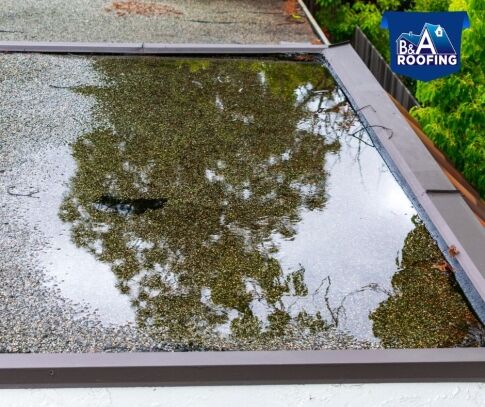
This applies across property types — if you have units with flat or low-slope sections, make sure the flat roof drainage system is functioning properly, since clogged or poorly designed drainage is one of the most common (and most preventable) sources of chronic leaks that eventually escalate into habitability complaints. If your rental has a metal roof, keeping an eye on coating wear and addressing it early with proper best paint for metal roof maintenance can prevent small cosmetic issues from turning into rust-driven leaks down the line.
Building a Reliable Response Plan
Having a trusted, responsive roofing partner on call — before you need one in an emergency — is one of the simplest ways to protect yourself legally and keep tenants safe. Whether you manage properties near a clarke county roofing company service area, work with roofing companies hattiesburg ms landlords already trust, or oversee something larger like commercial roof installation tupelo property groups rely on for multi-unit buildings, having fast, dependable access to a real inspection and repair team matters just as much as your lease language does.
The same goes if your properties are further east — a responsive roofing contractor athens al team can help you build the same kind of reliable response plan there. If you’re anywhere across the region and want dependable roofing contractors in mississippi landlords have trusted for years, our team at B&A Roofing understands the urgency landlords face with tenant-occupied properties and works to get issues resolved quickly and documented properly.
You can reach our team directly through b & a roofing to build a response plan for your properties before you need one.
Protect Your Tenants — and Yourself
Get a professional roof assessment and a fast, reliable repair partner on call before a small leak becomes a legal headache.
Schedule a Roof Assessment Fast, free, and no obligation — serving Mississippi, Alabama & Georgia.Being a responsible landlord isn’t about knowing every legal statute by heart — it’s about taking roof issues seriously the moment they’re reported and having the right people ready to help when they do. That habit alone keeps you, and your tenants, in a much safer position.