
Questions to Ask Before Choosing a Roofing Company
You’ve got a short list of contractors, a stack of quotes, and a decision to make. At this stage, the gap between the right roofer and the wrong one isn’t just about price — it’s about who will still be accountable six months after the last nail goes in. The questions you ask now, before you sign a thing, are what separate a smooth project from a warranty dispute you didn’t see coming.
This guide is built for the homeowner who’s already past the “should I replace my roof” stage and is now doing the harder work: narrowing down contractors, comparing warranties, and figuring out who actually deserves the job. Let’s get into it.
Why Vetting a Roofing Company Matters More Than the Quote Itself
A low quote from the wrong contractor costs more than a fair quote from the right one. Roofing disputes — improper installation, voided manufacturer warranties, subcontracted labor you didn’t know about — are among the most common home improvement complaints filed with consumer protection offices. The Federal Trade Commission’s guidance on hiring a contractor specifically flags roofing as a high-risk category for consumer complaints, recommending written agreements, verified licensing, and avoiding full upfront payment before work begins.
A solid roofing company vetting checklist is what gets you to the right contractor before any of that becomes your problem.
The Core Vetting Questions — Ask Every Contractor on Your List
Run every contractor on your shortlist through these questions. The answers matter, but so does how they respond. Hesitation, vagueness, or irritation are signals worth taking seriously.
| Question to Ask | What You’re Really Checking |
|---|---|
| What is your state contractor license number? | Legal compliance and verifiable credentials |
| Can you provide a certificate of insurance? | Liability and workers’ comp coverage |
| How long has your company been operating under this name? | Stability, reputation, and accountability history |
| Who specifically will be on my roof — your crew or subcontractors? | Labor quality control and liability chain |
| What manufacturer certifications do you hold? | Eligibility for enhanced material warranties |
| What does your workmanship warranty cover and for how long? | Post-project accountability and protection |
| Can you provide three local references from the past 12 months? | Consistency and recent performance |
| What’s your process if something goes wrong after install? | Dispute resolution and warranty follow-through |
How to Choose a Roofer: The Crew and Subcontractor Question
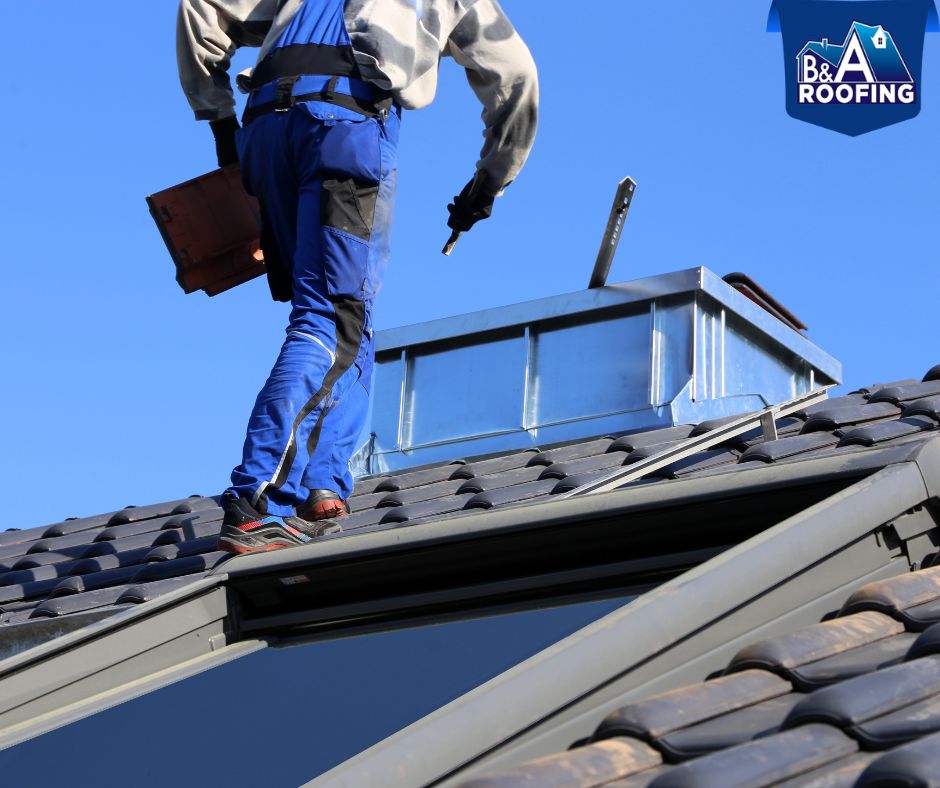
One of the most overlooked variables in any roofing decision is who’s actually doing the work. The company you hire and the crew on your roof are not always the same people — and the gap between them can be where quality control breaks down.
FAQ: What should I ask about a company’s crew and subcontractors?
Ask directly whether the company uses in-house employees or third-party subcontractors for installation. If they use subs, ask whether those subcontractors carry their own insurance and how their work is supervised. Get confirmation that the company’s workmanship warranty still applies even when subcontractors complete the work — not all do. A company that uses trained, insured in-house crews and can name the team lead for your project is one that has a much tighter quality control process than one that coordinates labor externally and moves on to the next job.
| Labor Model | Quality Control | Warranty Reliability | What to Verify |
|---|---|---|---|
| In-house employed crew | High — directly managed | Strong — company owns all work | Ask for crew lead’s name and experience |
| Vetted subcontractors | Moderate — depends on oversight | Variable — confirm in writing | Confirm subs carry own insurance |
| Storm-chaser crews | Low — transient, unverifiable | Weak — company may not exist post-project | Avoid — check for local address and history |
How to Verify a Roofer’s Years in Business
FAQ: How do I verify a roofer’s years in business?
Don’t just take the number on their website at face value. Cross-reference it by looking up their business registration with your state’s Secretary of State office, checking the date their Google Business profile was created, and verifying how far back their BBB listing goes. A company claiming fifteen years in business should have a paper trail to match. Also check whether the company name has changed — some contractors dissolve and re-register under a new name to escape bad reviews or complaints, resetting their visible history in the process. Roofer years in business is one of the easiest claims to inflate and one of the easiest to verify independently.
Roofing Company Trust Signal Strength — At-a-Glance
How much weight each factor carries when comparing contractors
Roofing Contractor Red Flags: Know What to Walk Away From
FAQ: What red flags suggest I should choose a different roofer?
The most consistent roofing contractor red flags across consumer reports and industry guidance include: demanding full payment upfront before any work begins; being unable or unwilling to provide a license number or certificate of insurance; offering a quote that’s dramatically lower than every other estimate without a clear explanation; showing up unsolicited after a storm with an aggressive same-day pitch; having no verifiable local address, phone number, or business history; and refusing to put any agreement in writing. Any one of these should give you pause. Two or more in the same conversation is your exit signal.
| Red Flag | What It Usually Means |
|---|---|
| Demands full payment before work starts | High risk of abandonment or disappearing after deposit |
| Can’t produce license or insurance documents | Unlicensed work — you carry all the liability |
| Significantly lower quote than competitors | Cut-rate materials, skipped steps, or hidden charges later |
| Only offers verbal agreements | No legal recourse if work is incomplete or defective |
| No verifiable local address or history | May be a storm chaser — gone before warranty issues arise |
| Pressure to sign same day | Prevents you from doing due diligence |
| No references or only offers to show photos | Can’t substantiate actual completed work in your area |
Warranty Questions: The Part Most Homeowners Skip
When you’re comparing contractors, you’re really comparing two kinds of warranties side by side: the manufacturer’s material warranty and the contractor’s workmanship warranty. These are separate, cover different things, and have different conditions that can void them.
| Warranty Type | What It Covers | Who Issues It | Common Duration |
|---|---|---|---|
| Manufacturer material warranty | Defective shingles, premature failure of materials | Shingle manufacturer | 25 to lifetime (prorated) |
| Enhanced manufacturer warranty | Broader coverage including labor — requires certified installer | Shingle manufacturer (via certified contractor) | 50 years to lifetime |
| Contractor workmanship warranty | Installation errors, leaks from improper application | The roofing contractor | 1 to 10 years (varies widely) |
Ask every contractor on your shortlist whether they are manufacturer-certified and which enhanced warranty programs they can unlock for your project. A certified contractor can often offer significantly better coverage than a non-certified one using the same shingle brand.
For specific project types, your warranty questions should go deeper. If you’re considering a metal roof and asking about future coating maintenance, ask upfront whether applying the best paint for metal roof surfaces later could affect the material warranty. For flat commercial roofs, confirm that the contractor’s workmanship warranty covers the flat roof drainage system as part of the install — not just the membrane itself — since drainage failures are one of the most common post-install disputes.
Your Roofing Company Vetting Checklist
Before You Sign — Work Through This List
License number verified with your state contractor licensing board
Certificate of insurance in hand — general liability and workers’ comp confirmed
Business history cross-checked (state registration, BBB, Google profile creation date)
Crew type confirmed — in-house or subcontractors, and their insurance status
Manufacturer certification confirmed, and enhanced warranty eligibility discussed
Workmanship warranty terms reviewed in writing — duration and what voids it
At least two local references contacted and confirmed satisfied
No red flags triggered — no pressure tactics, no upfront-only payment demand
Full written contract reviewed — scope, materials, timeline, payment schedule included
Regional Considerations When Comparing Contractors
Where your property sits affects what you need to ask. Coastal and Gulf-adjacent areas have wind uplift requirements that inland contractors may not be as fluent in. Urban and rural contractors often have different scheduling realities and permitting timelines. If you’re getting quotes across multiple markets, those regional differences should factor into your comparison.
If you’re comparing roofing companies hattiesburg ms residents consistently return to, look for local credentials alongside the general vetting criteria — a contractor who has pulled permits in your specific county or municipality is one who knows the local inspection process. The same logic applies when evaluating roofing contractors in mississippi more broadly; state-level licensing is just the floor, not the ceiling.
For commercial projects in the region, commercial roof installation tupelo work carries its own code and permitting requirements that not every contractor is equipped for — ask specifically whether they have commercial project experience in your project type before including them on your shortlist. Understanding typical roof repair cost tupelo mississippi ranges also helps you benchmark whether the quotes you’re receiving are in a realistic range or wildly off in either direction.
If your search extends to Clarke County, a local clarke county roofing company with verified regional history offers a different level of accountability than a contractor traveling in from a neighboring market. And just across the state line, homeowners and investors looking for a roofing contractor athens al should apply this same checklist — licensing requirements and warranty norms differ slightly between Mississippi and Alabama, so confirm your contractor is licensed in the state where the work is being done.
The Bottom Line
Narrowing down contractors isn’t just about comparing numbers on a page — it’s about finding the company that will still be accountable to you long after the crew packs up and leaves. The right questions, asked before you sign, are the difference between a roof you can trust and a warranty dispute you’ll spend months trying to resolve.
At b & a roofing, we welcome every question on this list. We’re licensed, insured, and have the verifiable history and local references to back it up across Mississippi and Alabama. If you’re narrowing down your options and want to talk through your project, B&A Roofing is ready when you are.