
A plain-English walkthrough for anyone staring at a PDF full of roofing terminology and wondering what it’s actually telling them.
You just got your home inspection report back — all 40 pages of it — and somewhere in the middle is a section about the roof. It’s got phrases like “serviceable condition,” “recommend monitoring,” and possibly a few items marked “further evaluation by a qualified roofing contractor.” And now you’re wondering: is this serious? Is this normal? Do I need to panic?
The answer is almost always somewhere between “this is fine” and “worth a follow-up call,” and the key is knowing which roofing terms actually signal a real concern and which ones are standard boilerplate. Let’s walk through it — because home inspection roof report explained clearly is genuinely valuable for anyone buying a home with an unfamiliar roof history.
First, Understand What a Home Inspector Actually Is
Home inspectors are generalists — highly skilled generalists, but generalists nonetheless. A single inspector assesses the roof, foundation, electrical, plumbing, HVAC, and everything else in a 2-4 hour window. They typically do a visual inspection from the ground or from the eaves, sometimes walking the roof if it’s safely accessible and the pitch allows it.
That context matters a lot when reading the roof section. The inspector isn’t diagnosing every layer of the roof system — they’re flagging what’s visibly observable and noting what warrants closer attention from a specialist. That’s not a limitation; it’s the appropriate scope of the job.
What roofing terms in an inspection report should I understand?
A few come up constantly and trip people up. “Serviceable condition” means the roof is functional and has remaining useful life — not that it’s perfect. “Recommend monitoring” typically means the inspector saw something minor that bears watching but isn’t currently causing a problem. “Beyond the scope of this inspection” is common for roof-specific systems like flashing condition or decking integrity that can’t be assessed without physically accessing the roof. “Further evaluation recommended” is the phrase that should prompt you to schedule a roofer — it means the inspector saw something they couldn’t fully assess themselves.
The Common Roofing Terms Decoded
Here’s a straight-talk glossary for the most frequent phrases in any roofing terms inspection report section:
How Inspection Report Findings Map to Real-World Urgency
| Report Language | What It Usually Means | Buyer Action |
|---|---|---|
| Serviceable condition, no concerns noted | Roof is performing well currently | No action needed |
| Recommend monitoring / deferred maintenance | Minor issues, not urgent but should be tracked | Note and re-inspect in 1 year |
| Granule loss noted / near end of serviceable life | Roof is aging; replacement planning needed | Budget and get a roofer’s timeline |
| Flashing deficiency / moisture intrusion signs | Active or likely leak risk | Get roofer evaluation before closing |
| Further evaluation recommended | Inspector couldn’t fully assess; specialist needed | Roofer inspection required |
Home Inspector vs. Roofer: The Real Difference
Does a home inspector check the same things as a roofer?
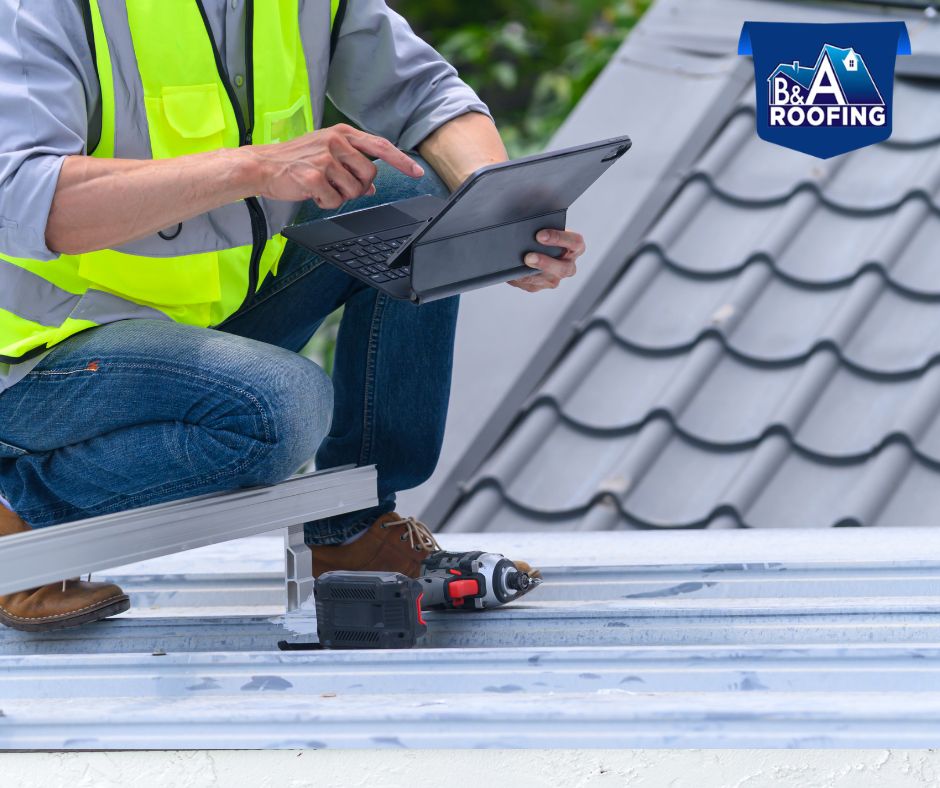
Not quite — and understanding the difference helps you know when a follow-up is actually necessary. A home inspector vs roofer inspection comparison comes down to depth and scope. A home inspector provides a general, visual assessment of overall condition across the entire property. A roofer examines the roof system specifically — getting on the roof, physically checking decking integrity, assessing flashing in detail, probing for soft spots, and evaluating ventilation, all with years of material-specific expertise. What takes an inspector 10 minutes to visually scan takes a roofer 30-60 minutes to assess properly. Both serve important purposes; they’re just not interchangeable.
- Visual scan of roof surface from ground or eaves
- Observable shingle or material condition
- Visible flashing and gutter condition
- Attic access check (if accessible)
- Overall age and material type noted
- General drainage and slope observation
- Physical walk of the roof surface
- Decking integrity check for soft or rotted areas
- Detailed flashing inspection at all penetrations
- Remaining lifespan estimate with specifics
- Ventilation assessment
- Repair vs. replacement recommendation with cost
How Much Do Inspection Findings Actually Cost to Fix?
Typical Cost Range by Common Inspection Finding
Understanding realistic costs before you negotiate is half the battle. Our breakdown of roof repair cost tupelo mississippi homeowners typically face gives you a regional baseline to work from when evaluating what the report is actually telling you in dollar terms.
Should I get a second roof opinion after a home inspection?
Yes — and not just when something looks bad. A second opinion roof after home inspection from a licensed roofer is worthwhile whenever the report flags anything beyond routine maintenance, the roof is over 15 years old, or the inspection was done visually without the inspector walking the surface. A roofer can give you what an inspector can’t: a specific remaining lifespan estimate, a material-by-material condition breakdown, and a repair vs. replacement recommendation with actual numbers attached. It’s typically a free or low-cost inspection, and the information is worth far more than the time it takes.
Using the Report to Negotiate — or Plan
One of the most practical uses of a detailed roof section home inspection meaning is in your purchase negotiation. Roof issues flagged in an inspection give you documented leverage to:
- Request a seller credit toward roof repair or replacement
- Ask the seller to complete specific repairs before closing
- Adjust your offer price based on realistic upcoming costs
- Walk away from a deal where the roof condition signals much larger hidden issues
None of that is possible if you don’t understand what the report is actually telling you — which is exactly why getting a roofer to interpret it in plain terms is so valuable.
Getting a Roofer’s Eyes on That Report
Whether you’re buying near a clarke county roofing company service area, comparing roofing companies hattiesburg ms new homeowners already trust, or dealing with a larger property that needs a commercial roof installation tupelo team to assess properly, getting a roofer to read the report alongside you — and walk the roof independently — is one of the best uses of the time between inspection and closing.
The same goes if your purchase is further east — an experienced roofing contractor athens al team can read through the inspection findings and give you a straight assessment of what they mean in practice. For dependable roofing contractors in mississippi first-time buyers have relied on to make sense of confusing inspection reports, our team at B&A Roofing is happy to walk any roof, review any report, and give you an honest, pressure-free second opinion.
You can reach us directly through b & a roofing — and yes, that first inspection is always free.
Got a Report With Roof Concerns? Let’s Read It Together.
A free roofer’s inspection gives you the plain-English answer that inspection reports rarely provide — and the confidence to negotiate, plan, or move forward.
Get My Free Roof Assessment Fast, free, and no obligation — serving Mississippi, Alabama & Georgia.A home inspection report is a document written to protect the inspector as much as to inform the buyer — and that’s not a criticism, it’s just how the profession works. Understanding what it’s actually saying, versus what it sounds like it’s saying, is the difference between a panicked renegotiation and a calm, informed one. Get a roofer’s second opinion, and you’ll know exactly which one you’re dealing with.