
First-Time Homeowner’s Guide to Roof Basics
Everything you actually need to know about the thing protecting everything else — explained without the jargon.
Nobody hands you a roof owner’s manual when you get your keys. One day you’re signing closing documents, and suddenly you’re responsible for a complex system overhead that you probably haven’t thought about once in your adult life. Don’t worry — that’s completely normal. Let’s fix it right now with a plain-language walkthrough of roof basics first time homeowner knowledge that will genuinely serve you for decades.
Think of this as the conversation a knowledgeable neighbor would have with you over the fence — practical, honest, and free of the sales pitch.
Meet Your Roof: What’s Actually Up There
A roof isn’t just shingles. It’s a layered system of components that all work together. Understanding what each part does makes every future conversation with a roofer or inspector much easier to navigate.
Decking
The plywood or OSB boards that form the structural base everything else sits on. If decking is rotted or damaged, it needs to be fixed before new roofing goes down.
Underlayment
A water-resistant layer between the decking and shingles. Your secondary line of defense against moisture — critical but invisible once the roof is finished.
Shingles / Roofing Material
The outer surface — asphalt shingles, metal panels, tile, or other materials. The part you see and the first thing weather hits.
Flashing
Metal strips sealing joints at chimneys, vents, skylights, and roof-to-wall connections. Flashing failures cause more leaks than almost anything else.
Ventilation System
Ridge vents, soffit vents, or gable vents that let heat and humidity escape the attic. Poor ventilation quietly shortens shingle life and drives up cooling bills.
Gutters & Drainage
Channels water away from the structure. Clogged or damaged gutters are one of the most common and most preventable sources of roof-related water damage.
What roof maintenance should every new homeowner know?
As a new homeowner, the most important things to internalize are these: keep gutters clean (at least twice a year), visually inspect your roof from the ground after any significant storm, watch your attic ceiling and top-floor walls for new stains after heavy rain, and get a professional inspection every 1-2 years once your roof passes the 10-year mark. None of these take more than an afternoon per year combined, and each one catches problems while they’re still small and inexpensive. That’s the core of the new homeowner roof maintenance guide — it’s less about technical knowledge and more about building a few simple habits.
The Three Things That Happen to Every Roof
Understanding the full roof repair vs maintenance vs replacement spectrum is genuinely useful — because not every roof situation costs the same, and knowing which category you’re dealing with sets the right expectations before you pick up the phone.
| Category | What It Covers | Typical Cost Range | When It’s Needed |
|---|---|---|---|
| Maintenance | Gutter cleaning, caulking, minor flashing touch-ups, debris removal | $150 – $600/year | Ongoing, annually |
| Repair | Fixing specific damage — a few shingles, a flashing gap, a small leak source | $300 – $2,500 | After damage or inspection flags an issue |
| Replacement | Full removal and reinstallation of the roofing system | $8,000 – $20,000+ | End of lifespan, widespread failure, or major storm damage |
What’s the difference between roof repair, maintenance, and replacement?
Think of it this way: maintenance is what you do to a healthy roof to keep it healthy — cleaning gutters, clearing debris, sealing small gaps. Repair is what you do when a specific, identifiable problem develops — a few shingles blown off, a leaking flashing joint, a section of damaged decking. Replacement is what happens when the roof as a system has reached the end of its useful life, or when damage is widespread enough that patching no longer makes economic sense. Maintenance prevents repairs. Repairs delay replacement. And replacement, done right, restarts the whole cycle for another 20-40 years.
How Often Should You Actually Inspect?
How often should a healthy roof be inspected?
For a relatively new or recently replaced roof in good condition, a professional inspection every 2 years plus a personal visual check after any significant storm is a solid routine. Once your roof passes the 10-15 year mark, moving to annual professional inspections makes sense — that’s when aging shingles, flashing wear, and ventilation issues start showing up more frequently. The goal is always to catch things when they’re a repair, not when they’ve become a replacement trigger.
Your Year-One Roof Maintenance Calendar
Here’s what how often inspect roof looks like in practice for a new homeowner — turned into an actual calendar you can follow:
Signs Something Needs Attention — Even Without a Storm
Most roof problems between inspections announce themselves quietly. Here’s what to watch for as part of your basic roofing 101 for homeowners awareness:
- New water stains on ceilings or walls, especially after rain
- Granules in gutters or at downspout splash areas (even without recent storms)
- Shingles that look curled, cracked, or darker than the surrounding area
- A musty smell in the attic that wasn’t there before
- Daylight visible through the attic ceiling when you peek in
- Gutters pulling away from the roofline or sagging in the middle
- Higher summer cooling bills than previous years (often a ventilation sign)
None of these automatically mean disaster — but each one is worth a call. The cost difference between a $400 repair and a $12,000 replacement often comes down to how quickly you acted when you first noticed something.
The Real Cost of Skipping Maintenance
Estimated Repair Cost by How Long an Issue Was Ignored
That progression is avoidable almost every time. Understanding realistic costs also helps — our breakdown of actual roof repair cost tupelo mississippi homeowners face gives you real regional numbers to work with so nothing comes as a shock.
A Few Notes for Specific Roof Types
If your home came with something other than standard asphalt shingles, a couple of extra things are worth knowing:
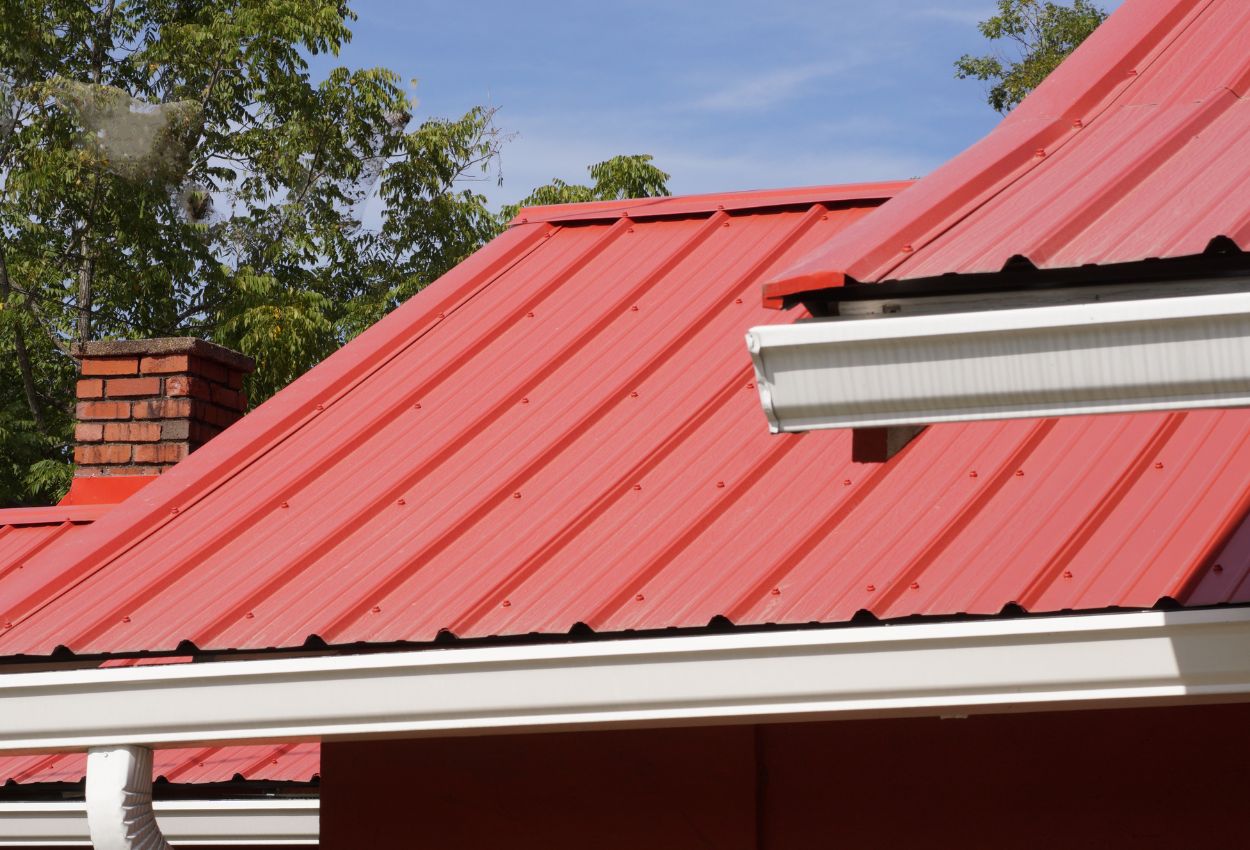
- Metal roofs are generally lower maintenance but the coating matters a lot — fading or chipping around fasteners should be addressed with proper best paint for metal roof touch-ups before rust has a chance to develop underneath
- Flat or low-slope sections (common on porches, additions, and some modern designs) need extra attention to drainage — a clogged or poorly designed flat roof drainage system is far and away the most common source of leaks on low-slope roofs
- Tile roofs are extremely durable but individual cracked tiles need prompt replacement — one broken tile can let water into the underlayment and decking beneath
Finding the Right Local Roofer as a New Homeowner
Knowing the basics is one thing; having someone trustworthy to call when you need more than that is another. Whether you’re near a clarke county roofing company, comparing roofing companies hattiesburg ms neighbors already trust, working with a property that needs commercial roof installation tupelo expertise, or simply looking for a reliable inspection on your first home, finding a local contractor you can build a long-term relationship with pays dividends over the years.
If you’re over in the Athens area, a knowledgeable roofing contractor athens al team can walk your roof and give you a clear picture of exactly what you’re starting with. For first-time homeowners anywhere across the region looking for honest, pressure-free roofing contractors in mississippi guidance, our team at B&A Roofing has always been happy to walk a roof with a new homeowner, explain what we see in plain language, and let you decide what to do next — no pressure, no upsell.
That’s always been how b & a roofing operates, and it’s why so many of our customers come back years later when they do need real work done.
New to Your Home and Not Sure Where Your Roof Stands?
A free inspection gives you a clear, honest starting point — what’s good, what to watch, and what (if anything) needs attention now.
Get My Free Roof Assessment Fast, free, and no obligation — serving Mississippi, Alabama & Georgia.Owning a home means taking care of a lot of things you didn’t have to think about before — and the roof is one of the most important ones. But it really doesn’t require expertise, just awareness and a few good habits. Now you’ve got both. Welcome to homeownership.