
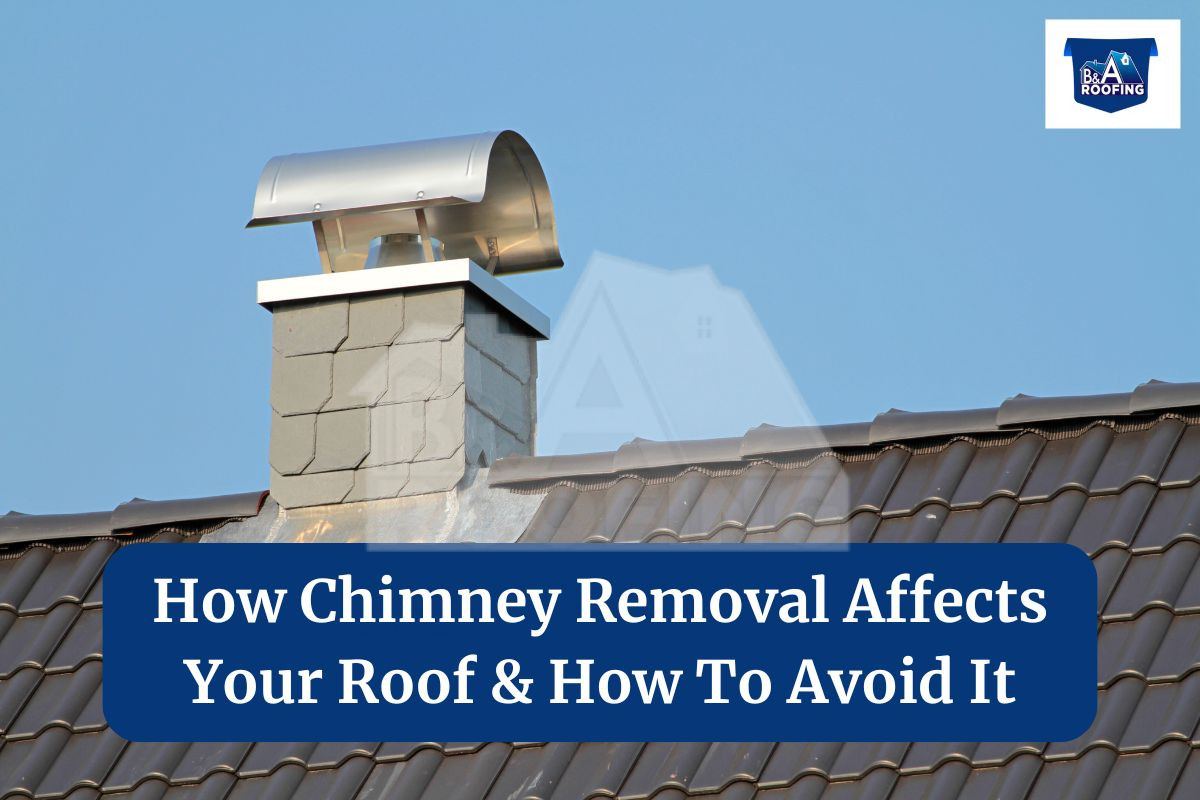
Chimney removal is a significant undertaking that involves considerable labor, materials, time, money, and a little bit of risk. However, the risk factor involved with this project can be determined by taking the right and sensible approach to chimney removal.
If you are considering removing the chimney on your home, you might have a few concerns and doubts, which is totally understandable. Therefore, to help you out, we’ll address some of the effects that removing the chimney has on your roof, and how you can minimize the chance of damage occurring. Keep reading this blog post till the end to get a clear understanding of everything involved in the chimney removal process.
Understanding Chimney Removal
Chimney removal isn’t that common, but is an option for those who want to reclaim the look of their home or no longer find their chimney to be functional. Since it’s a significant project, it should be handled by skilled roofers who have the right type of expertise.
You should also know that chimney removal can be categorized into two parts: full and partial removal. Both types can impact your roof and the structure of your home, sometimes necessitating immediate repairs. This requires that the project is handled with the utmost caution because any negligence can negatively affect your roof.
1. Removing The Chimney Breast
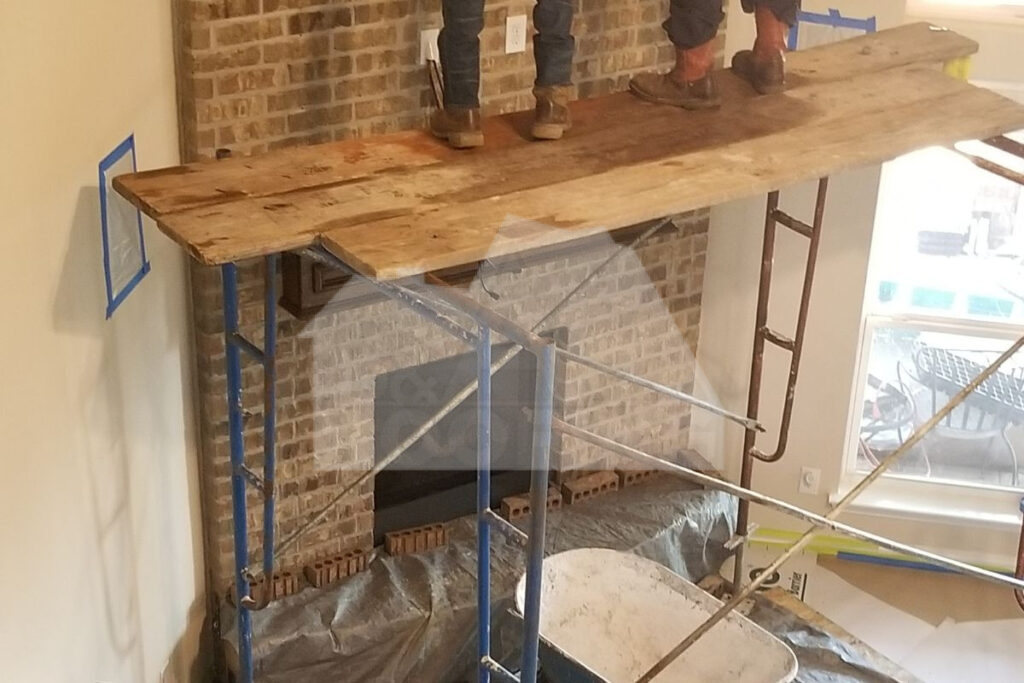
Removing the chimney breast means removing the part of the chimney that’s located inside your home. The chimney breast is the part that encompasses the fireplace and extends up towards the chimney stack through the floors of your home. This makes removing the chimney breast a more extensive process than simply removing the chimney stack, and therefore tends to cost more.
It is important to consider the severity of the chimney removal process, although it may not have direct negative effects on your roof. Because it’s tied to the structure of your home, bad practices employed by unskilled workmen can impact the integrity of your home and roof.
2. Removing The Chimney Stack
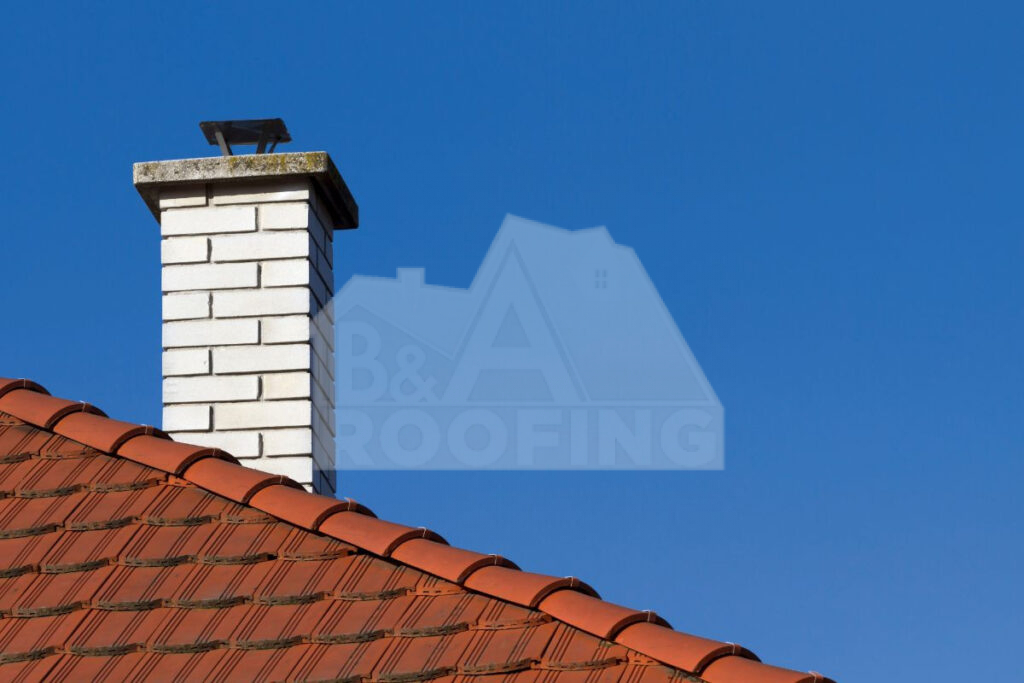
The chimney stack is the visible part of the chimney on the roof. This part channels the hot air and smoke from the fire to the exterior of the home, creating a more comfortable living environment. While the chimney stack is functional and helps to add to the appearance of the roof, it can be damaged or deteriorate with time, degrading the roof’s overall appearance and, therefore, calling for it to be removed.
If you only remove the chimney stack, it’s typically called a partial chimney removal since it’s less time-consuming than removing the chimney breast. Once it’s removed, it’s necessary to patch the ceiling to cover that hole. Otherwise, water may be allowed inside the home, causing sudden damage.
The Effects of Chimney Removal On Your Roof
The following are the most common effects observed on roofs after removing the chimney However, the impact can be reduced by having the project handled by skilled professionals.
1. Structural Integrity
When the chimney is removed, there may be a gap or weakness in the roof where the chimney once provided support. This can compromise the roof’s ability to bear weight and withstand external forces, such as wind, rain, and snow. Therefore, it is essential to reinforce the roofing structure to maintain its integrity after the chimney removal.
Additionally, the removal process itself can cause damage to the surrounding roof area. Care must be taken to ensure that the roofing materials, such as shingles and underlayment, are not negatively affected once the chimney is dismantled.
2. Waterproofing Challenges
The chimney is a type of roof penetration. When removed, it leaves a hole open, which you should cover as soon as possible. Otherwise, water can easily enter the home’s interior and cause significant challenges for you. Once you’ve removed the chimney stack, ensure you have patched and sealed the surrounding area with shingles and flashing to create a seamless transition between the patched area and the rest of the roof.
3. Aesthetic Changes
The chimney stack often contributes to the overall visual appeal of the home, and its removal can significantly alter the exterior appearance. Addressing these aesthetic changes thoughtfully is crucial to maintaining the home’s curb appeal and architectural harmony.
The chimney stack can be a prominent architectural feature that adds character and balance to the roofline. Its removal may leave the roof looking uneven or less visually appealing. To counteract this, you need to consider ways to enhance the roof’s appearance post-removal. This could involve adjusting or integrating other roofing elements to create a more balanced look.
4. Impact On Property Value
Chimneys often add a traditional charm and character to a home, contributing to its overall aesthetic appeal. Many homebuyers appreciate these features, especially on older homes. Removing a chimney could potentially reduce this charm, making the property less attractive to certain buyers who value these architectural elements. Consequently, this might lead to a decrease in property value.
However, the impact on property value is not always negative. In some cases, removing a chimney can actually enhance the value of a home. Modern homebuyers may prioritize functionality and energy efficiency over traditional aesthetics.
How to Manage the Effects Of Chimney Removal
In order to ensure a stress-free chimney removal, you’ll want to consider the following to help manage the effects of chimney removal on your home.
1. Hire Professionals
Professional help is indispensable when it comes to chimney removal. Experienced contractors and structural engineers can ensure the job is done safely, preserving your home’s integrity and preventing potential problems.
2. Use Quality Materials
Investing in high-quality materials for sealing and patching the roof is crucial. This ensures durability and long-term protection against leaks and weather damage.
3. Post-Removal Inspection
After the chimney is either partially or fully removed and repairs are made, a thorough inspection ensures all the work is completed correctly.
4. Consider Energy-Efficient Solutions
With the chimney gone, consider energy-efficient improvements like better insulation and modern heating solutions. These upgrades can enhance the comfort and efficiency of your home, providing long-term benefits.
Contact The Expert Roofers In Hattiesburg, MS, For Your Roofing Needs
If you are considering chimney removal or any structural changes to your roof, contact the expert roofers at B&A Roofing in Hattiesburg, MS. The expert roofers at our company are professionals who provide a variety of roofing solutions to home and commercial building owners. Whether you want to remove a chimney or need any other form of roofing work, we are always here to help. Contact us today at (601) 520-3183 and consult with one of our roofing professionals.
Chimney Removal Frequently Asked Questions and Answers
Q1. What is the difference between full and partial chimney removal?
Full chimney removal involves taking out both the chimney stack — the visible portion on the roof — and the chimney breast, which is the internal part that extends from the fireplace up through the floors of your home. Partial chimney removal, on the other hand, typically refers to removing just the chimney stack above the roofline, leaving the internal structure in place. Partial removal is less time-consuming and generally costs less, but it still requires the opening in the roof to be properly patched and sealed to prevent water from getting in.
Q2. How does chimney removal affect my roof?
Removing a chimney can have a few different effects on your roof, depending on how it’s handled. When the chimney stack is removed, it leaves a hole in the roof that must be sealed as quickly as possible to prevent water from entering the home. The area surrounding the chimney opening will need to be patched with new shingles and properly flashed to create a watertight seal. There may also be some structural considerations, as the chimney sometimes provides support to certain areas of the roof, meaning reinforcement could be necessary after removal.
Q3. Will removing my chimney cause water leaks?
It can, if the job isn’t handled correctly. The chimney penetrates the roof, and when it’s removed, that opening creates a direct path for water to enter your home if it isn’t properly sealed. The key to preventing leaks after chimney removal is having the area patched with quality materials, including new roofing felt, shingles, and properly installed flashing that creates a seamless transition between the patched area and the rest of the roofline. This is why hiring experienced professionals for the job is so important — cutting corners on the seal can lead to costly water damage down the road.
Q4. Does chimney removal affect the structural integrity of my home?
It can, particularly if the chimney breast is being removed from inside the home. Because the chimney breast is tied to the structure of the building, improper removal by unskilled workers can impact the integrity of the floors, walls, and even the roof above. Structural engineers and experienced contractors know how to assess and address these risks before and during the removal process. Any structural work that may be needed — such as adding a support beam where the chimney breast was located — should be handled by qualified professionals to ensure the safety and stability of your home.
Q5. How much does chimney removal typically cost?
The cost of chimney removal varies quite a bit depending on whether you’re doing a full or partial removal, the size of the chimney, and the extent of the repairs needed to restore the roof and interior afterward. Partial chimney stack removal is generally the more affordable option, while full removal — including the chimney breast — involves significantly more labor and materials and tends to cost considerably more. Getting an estimate from a qualified professional who can assess your specific chimney and roofline is the best way to get an accurate picture of what the project will cost.
Q6. Will removing my chimney hurt my home’s curb appeal?
That depends on your home and how the removal is handled. Chimneys can add traditional charm and character to a home’s exterior, and removing one can change the appearance of the roofline in a noticeable way. However, it doesn’t have to be a negative change. With thoughtful planning and skilled workmanship, the roof can be restored in a way that looks clean, balanced, and intentional. In some cases, homeowners actually find that removing an outdated or deteriorating chimney improves the overall look of their home, especially when the chimney itself had become an eyesore.
Q7. Can chimney removal affect my home’s resale value?
The impact on resale value isn’t always straightforward. Chimneys are often valued as architectural features, particularly on older homes, and some buyers appreciate the character they add. Removing a chimney might make your home less appealing to those buyers. On the other hand, modern buyers who prioritize energy efficiency and functionality may see a well-maintained home without a chimney as perfectly desirable, especially if the removal is clean and professionally executed. The key factor is making sure the job is done right, as poorly executed chimney removal that leaves visible repair work can be a red flag for buyers during a home inspection.
Q8. What should I do with the roof after a chimney is removed?
After the chimney is removed, the opening in the roof needs to be addressed right away. The area should be patched with appropriate roofing materials, including new underlayment, shingles that match the rest of the roof as closely as possible, and properly installed flashing to waterproof the perimeter of the patch. A thorough inspection of the surrounding area is also recommended to check for any incidental damage that may have occurred during the removal process. Once everything is sealed and restored, a final inspection by a qualified roofer ensures the work has been completed correctly.
Q9. How do I choose the right contractor for chimney removal?
Chimney removal is a project that sits at the intersection of structural work and roofing, so you’ll want to hire a contractor who has experience with both. Look for a licensed and insured roofing company that has handled chimney removal projects before and can provide references or examples of past work. A reputable contractor will conduct a thorough assessment of your chimney and roof before starting the job and walk you through what the process will involve, including any structural reinforcement that may be needed and how the roof will be restored after the removal.
Q10. What energy-efficient improvements can I make after removing my chimney?
Removing a chimney actually opens up some great opportunities for energy efficiency improvements. With the chimney gone, you can improve the insulation in the areas where it once ran, which can help reduce heat loss in the winter and keep your home cooler in the summer. It’s also a good time to consider upgrading to a modern heating system if you haven’t already, as today’s options are significantly more efficient than the wood-burning systems most chimneys were originally built for. Consulting with an energy efficiency professional alongside your roofing contractor can help you make the most of the situation.