


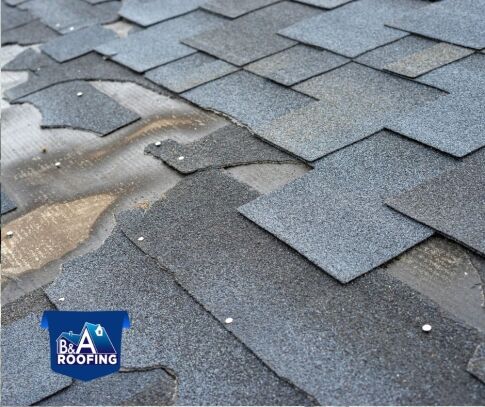
Winter Wind Damage to Shingles
How Wind Actually Damages a Shingle
A shingle roof is held together by two things working in partnership: nails that fasten each shingle to the deck, and a strip of factory sealant that bonds each shingle to the one below it once the sun has warmed it. Wind attacks that partnership from underneath. Air flows over the roof, speeds up, and creates suction that tries to lift shingles upward, especially at the edges, corners, and ridge where the airflow is most intense. A shingle that is well nailed and fully sealed resists that pull. A shingle whose sealant strip never bonded, or has lost its grip with age and dust, can flutter, fold back along its top edge, and crease. A creased tab is permanently weakened. A shingle that is also poorly nailed can tear off entirely, exposing the underlayment and the next course to the next gust.
The Department of Energy’s Building America Solution Center, in its guide to asphalt shingle roofs, draws on FEMA’s wind resistance guidance and notes that each shingle strip should generally be installed with six nails in high wind areas, with the position of the fasteners also mattering for a durable installation. In other words, how a roof was nailed and sealed on the day it was installed has a lot to do with how it handles a gust years later. This is also why two neighboring roofs can behave very differently in the same storm.
💨 Uplift at the Edges
Wind suction is strongest at rakes, eaves, corners, and the ridge, so those are the first places shingles lift, crease, or tear away.
🧲 Seal Strip Bond
The factory sealant needs warmth and sun to bond. If it never set, or has weakened with age, the shingle depends on its nails alone.
🔨 Nailing and Installation
Too few nails, nails placed too high, or overdriven fasteners all reduce a shingle’s hold, and the problem may stay hidden until a windy day.
⏳ Age and Wear
Older shingles lose flexibility and sealant grip, and each wind event can finish what age has started.
❓ FAQ: Can strong winter winds lift roof shingles?
Yes. Strong gusts can lift shingles, and winter conditions make it more likely for a few reasons. Winter weather fronts often bring sustained, gusty winds that last for hours, giving shingles repeated chances to flutter. Cold temperatures slow or prevent the sealant strips from bonding, so shingles installed in late fall may not be fully sealed until warmer weather arrives, which leaves them relying on nails alone. Older shingles that once sealed well may have lost some of their bond. And cold shingles are stiffer, so a lifted tab is more likely to crease or crack than to flex back into place. Once a tab has been lifted and creased, it will not lie flat again, and it will be easier to lift the next time.
The damage is not always dramatic. Sometimes you will see a few missing shingles, and sometimes the only evidence is a row of tabs that are raised or creased. That is why a post storm look matters even when nothing seems wrong. Our full range of roofing services includes post storm roof inspections with written, photographed findings, so you know exactly what the wind did.
Wind Ratings: What the Numbers Mean and What They Do Not
Shingle packaging often carries a wind rating, and those numbers deserve a little context. Shingles are tested in laboratories under standardized methods. Two common standards are ASTM D3161, a fan induced test that classifies shingles as Class A, D, or F, and ASTM D7158, an uplift force test that classifies them as Class D, G, or H. Each class corresponds to a wind speed the product was tested to. These are test results under controlled conditions, not a promise that your roof will survive that wind speed in the real world, because real roofs depend on correct installation, proper sealing, the condition of the deck, and the age of the shingles.
| Test Standard | Class | Tested Wind Speed |
|---|---|---|
| ASTM D3161 (fan test) | Class A | 60 mph |
| ASTM D3161 (fan test) | Class D | 90 mph |
| ASTM D3161 (fan test) | Class F | 110 mph |
| ASTM D7158 (uplift test) | Class D | 90 mph |
| ASTM D7158 (uplift test) | Class G | 120 mph |
| ASTM D7158 (uplift test) | Class H | 150 mph |
Bar lengths are proportional on a 150 mph scale. A higher class is a better starting point, but a roof is only as strong as its installation and its condition today.
What Cold Does to Shingles
Temperature changes the way asphalt shingles behave, and winter highlights every weakness. Asphalt is flexible when warm and stiff when cold. The same gust that would make a warm shingle flex can crack a cold one. Cold also slows the sealant, as noted above, and it makes nails and fasteners less forgiving, since overdriven fasteners can cut into the shingle and crack it in cold weather. Add repeated freeze and thaw cycles, in which moisture works into small gaps and expands as it freezes, and you have a recipe for the kind of gradual damage that shows up as cracks, loose edges, and granule loss. This is what people mean when they search for cold weather damage roof shingles experience.
| Cold Weather Effect | What Happens to the Shingle | What You May See |
|---|---|---|
| Stiffening | The asphalt loses flexibility, so a lifted tab is likelier to crack than bend | Cracked or snapped tabs after gusty days |
| Slowed sealant bond | Sealant strips need warmth and sun to set, so late season installs may not seal until spring | Raised tabs, fluttering shingles, lifted edges |
| Thermal contraction | Materials shrink and shift in the cold, stressing nails and seams | Popped nail heads, small gaps at edges |
| Freeze and thaw cycles | Moisture in tiny gaps freezes, expands, and widens them | Cracking, curling edges, granule loss |
| Brittle handling | Cold shingles crack when bent during repair or installation | Cracks around new repairs done in very cold weather |
❓ FAQ: Do freezing temps make shingles more likely to crack?
They can, and the effect shows up in two ways. First, directly: freezing temperatures roof shingles face make the asphalt stiffer and less able to flex, so shingles that are lifted by wind, walked on, or bent during repair are more likely to crack. Second, indirectly: repeated freeze and thaw cycles let moisture work into small gaps and expand as it freezes, widening them over time. A roof that has weathered many winters may show cracking, curling edges, and bare patches that began as small, unnoticed defects. Age matters too. A young, flexible shingle copes with cold much better than one that has already dried and hardened after years of sun.
This is also why repairs in very cold weather deserve care. A skilled roofer handles cold shingles gently, checks fastener depth, hand seals where the manufacturer calls for it, and sometimes schedules non urgent work for a warmer day. If a repair cannot wait, a temporary fix that keeps water out is better than a rushed permanent one that cracks. If an inspection finds a problem, prompt roof repair keeps a small issue from becoming a leak.
Where Winter Wind Damage Usually Starts
Notice that the edges and ridge take the brunt. If you are checking from the ground, start your scan there.
Spotting Winter Wind Damage From the Ground
You do not need to climb to learn a lot. A pair of binoculars, a phone with a good zoom, and a clear morning will show most of what matters. Walk the full perimeter of the house, look at every slope from more than one angle, and compare what you see to photos from earlier in the year if you have them. The most useful signs of winter storm shingle damage signs include missing shingles or bare patches, rows of tabs that are raised or crooked, creased tabs, exposed underlayment, shingle pieces or granules in the yard and gutters, missing or lifted ridge caps, and bent flashing or vent covers. Inside, look for new ceiling stains, damp spots near exterior walls, and daylight in the attic.
❓ FAQ: How do I spot winter wind shingle damage without getting on the roof?
Start from the ground, in good light, and look systematically. Scan each slope with binoculars from end to end, and look for gaps in the pattern: a missing shingle, a bare strip, a row that sits higher than its neighbors, or a tab that points the wrong way. Check the ridge and the edges first, since they are most exposed. Walk the yard and driveway for shingle fragments, since the pieces that came off the roof are evidence of where damage occurred. Look in the gutters and at downspout outlets for fresh granules, which can indicate shingle wear or impact. Check vents, chimneys, and flashing for bent or loose metal. Then go inside: look at ceilings and upper walls for stains, check the attic with a flashlight for daylight, wet insulation, or damp decking, and note any drips during the next rain.
Take photos of everything, dated, from several angles, even if you are not sure it matters. Those images help a roofer, and they help an insurance claim. If you find anything suspicious, call a professional for a closer look rather than getting on the roof yourself.
| What You See | What It Likely Means | Urgency |
|---|---|---|
| Missing shingles or a bare patch | Wind removed shingles, exposing the underlayment or deck | Protect it soon, water can enter |
| Raised, curled, or creased tabs | Shingles were lifted and no longer lie flat | Inspect and repair before the next storm |
| Shingle pieces in the yard | Parts of the roof broke off, so damage exists somewhere | Locate the source with an inspection |
| Missing or lifted ridge caps | The ridge is exposed, a common leak path | Repair promptly |
| Fresh granules in gutters | Wear, impact, or shingle damage | Have the roof checked |
| Bent flashing or vent covers | Wind or debris loosened metal details | Seal and secure before rain |
| New ceiling stain or attic daylight | Water is getting in or the deck is exposed | Call for an inspection right away |
What to Do After a Windy Winter Storm
Stay Off the Roof and Stay Safe
Cold, frosty shingles are slippery and brittle. Inspect from the ground and keep clear of eaves where debris can fall.
Document Everything
Take dated photos and video of the roof, yard debris, gutters, and any interior stains before cleanup.
Protect Openings Quickly
If shingles are missing and rain is coming, arrange emergency tarping and keep receipts for any temporary protection.
Call Your Insurer and a Qualified Roofer
Report the claim, ask about deadlines and your deductible, and request a written inspection with photographs.
Repair Properly, With the Weather in Mind
Urgent leaks get temporary protection first. Permanent repairs follow, with careful handling of cold shingles and sealing where needed.
Repair, Replace, or Watch? A Simple Decision Guide
Not every wind event means a new roof. A few missing shingles on an otherwise healthy roof is a targeted repair. Widespread lifting, creasing across several slopes, or damage on an older roof that has already lost its flexibility and sealant grip may point toward replacement. Our guide on new roof costs offers regional benchmarks if you are weighing the numbers.
| Situation | Usually Best Approach | Why |
|---|---|---|
| A few missing or creased shingles on a roof under about 10 years old | Targeted repair | Local damage on a flexible, sound roof |
| Damage limited to the ridge or an edge | Repair that area and review sealing | These are the most exposed spots and are straightforward to fix |
| Lifted or creased tabs across several slopes | Compare repair and replacement | Widespread damage may mean weak sealing across the roof |
| Older roof, brittle shingles that crack when touched | Plan replacement, repair only as a short term fix | Repairs on brittle shingles are hard and often fail |
| Exposed deck, soaked insulation, or interior leaks | Protect immediately, then evaluate fully | Water entry compounds damage quickly |
If you do replace, a new roof is a chance to improve wind performance. Ask about the nailing pattern, starter strips, and the sealing approach, and ask for a higher wind rated product where it makes sense. When you reach the fun part, our guide to the most popular roof colors can help you choose a look. If your home has metal roofing, which has its own wind and cold weather behavior, our guide on the best paint for metal roof finishes explains how coatings protect it. And if you have a flat or low slope section, our guide on a properly designed flat roof drainage system explains why wind blown debris and winter meltwater make drainage worth checking after a storm. Business owners can also lean on our commercial roof installation tupelo team in North Mississippi for flat roof and membrane work.
Preparing Before the Next Windy Winter
The best time to prepare for winter wind is before it arrives. Have the roof inspected in the fall, replace damaged or missing shingles, secure loose flashing, trim limbs that could strike the roof, and clear gutters so winter meltwater can drain. A roof maintenance program that spots weak areas early lets you use our financing options for any roofing project it uncovers, so you can plan the timing and the budget instead of reacting to a storm. And keep your records: a dated inspection report before winter makes it much easier to show what changed after a storm, which helps with insurance.
| Before Winter Task | Why It Helps | Who Does It |
|---|---|---|
| Fall roof inspection with photos | Finds loose or damaged shingles before the first windstorm and documents condition | Qualified roofer |
| Replace missing or cracked shingles | Closes openings and reduces the chance of further uplift | Qualified roofer, in suitable weather |
| Secure flashing and ridge caps | These are common wind failure points | Qualified roofer |
| Trim overhanging limbs | Reduces impact damage and debris | Tree service or arborist |
| Clear gutters and downspouts | Lets meltwater drain instead of freezing in place | Homeowner or roofer |
How B&A Roofing Helps After Winter Wind and Cold
- Roof and attic inspections. We check shingles, ridge, edges, flashings, gutters, and the underside of the deck, with photographs and written findings.
- Emergency protection. If shingles have blown off and water is coming in, we can tarp openings while a permanent repair is planned.
- Honest options. We recommend a repair when a repair is the right answer and tell you plainly when it is not.
- Insurance support. We document wind damage, attend adjuster inspections, and never require an assignment of benefits or propose deductible waivers.
- Regional offices. The same standards apply across our network, including our huntsville roof team and our roofing contractor in birmingham office.
Call the office nearest you to schedule a free roof inspection: Hattiesburg (601) 202-1608, Tupelo (662) 636-7663, Cullman (256) 692-5527, Huntsville (256) 886-7940, Birmingham (205) 265-4835, Meridian (601) 841-3218, or Roswell (470) 719-5686.
A five minute check after any windy cold snap: walk the perimeter with binoculars on the first clear morning, scan the edges and ridge first, look for shingle pieces in the yard and fresh granules at the downspouts, and glance at ceilings upstairs. Take a few dated photos even if everything looks fine. Those photos are your before and after if a problem shows up later, and they take less time than a cup of coffee.
Windy Night, Worried Morning? Let Us Take a Look.
B&A Roofing offers free roof inspections with written reports, photographs, and honest recommendations, plus emergency tarping when storms do damage. GAF Master Elite® certified. No pressure, no surprises.
Schedule Your Free Roof InspectionFree inspections · Written reports with photos · Emergency tarping · Mississippi, Alabama, and Georgia