
The exterior siding of your home serves as both a protective shield and a defining aesthetic feature. When siding begins to fail, it can compromise your home’s structural integrity, energy efficiency, and curb appeal. For homeowners in Mississippi and Northern Alabama, recognizing the early warning signs of siding damage is crucial to preventing extensive and expensive repairs down the road.
Each siding material shows different symptoms when it begins to deteriorate. Vinyl siding might show signs of hail damage through dents or cracks, while wood siding often reveals its age through warping, buckling, or rotting. Fiber-cement siding, though durable, isn’t immune to damage and can develop cracks or moisture issues over time. Understanding how damage manifests in your specific siding type allows you to address problems before they escalate.
Water damage behind siding is one of the most serious concerns, as it can lead to mold growth and structural weakening. Similarly, cracked or loose siding panels create entry points for moisture and pests. By learning to identify these warning signs early, homeowners can take action to protect their investment and maintain their home’s value and safety.
Identifying Hail Damage: What Mississippi Homeowners Need to Know
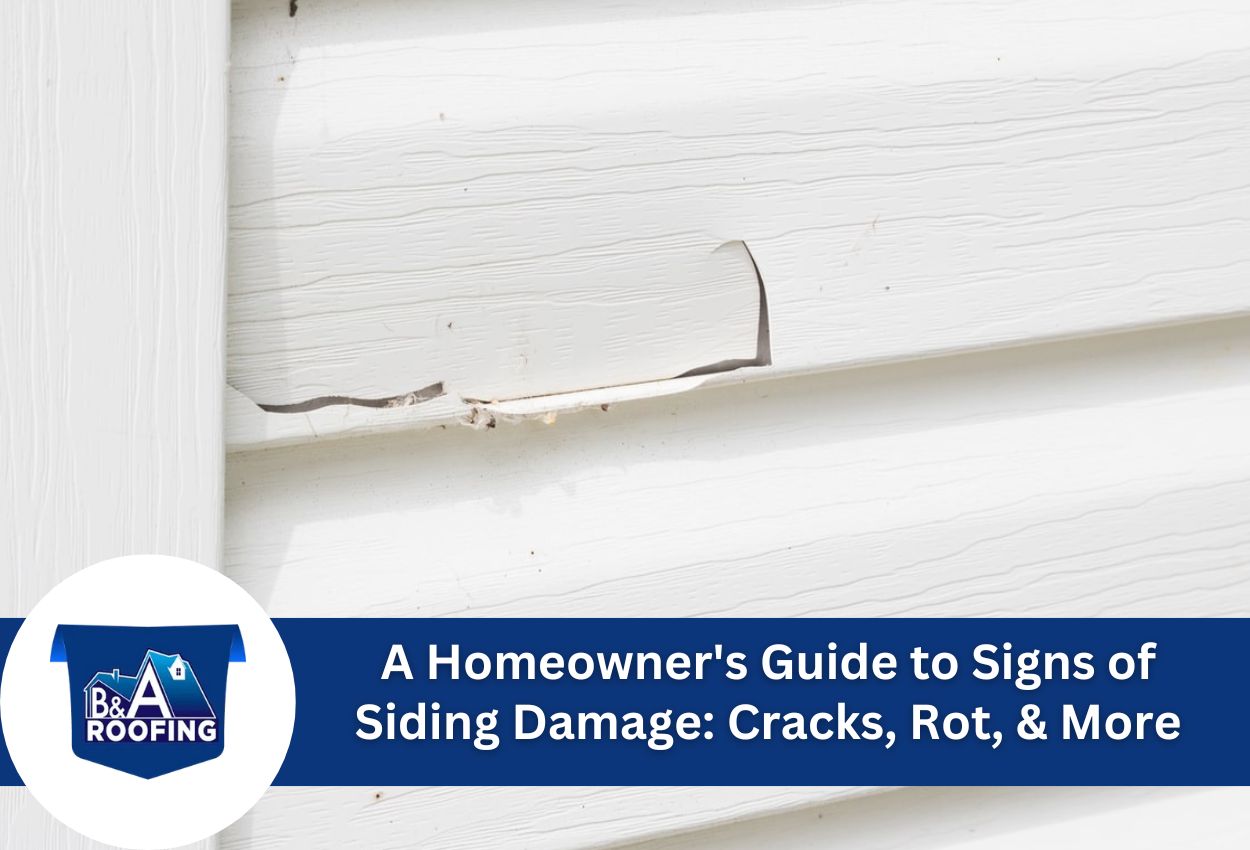
Hailstorms can wreak havoc on your home, particularly on the siding. For Mississippi homeowners, recognizing hail damage is essential for protecting your property and filing insurance claims. Vinyl siding, which is common throughout our region, displays distinctive damage patterns after hail impact. Look for circular or oval-shaped dents, cracks that radiate from impact points, and small holes that penetrate the siding surface.
Not all siding materials show hail damage in the same way. While vinyl may show clear dents, fiber cement might display chips or cracks, and wood siding could exhibit splits or punctures. Pay special attention to the east and west-facing walls of your home, as these typically sustain the most damage during our regional storms.
When documenting hail damage for insurance purposes, timing is critical. Take date-stamped photos immediately after the storm, capturing both wide shots of affected areas and close-ups of specific damage points. Measure and document the approximate size of hail that fell using a ruler next to leftover hailstones. Note any additional signs like warping and buckling of exterior siding or water damage appearing behind siding panels, as these could indicate more severe underlying issues that require a professional assessment.
Warping and Buckling: Early Warning Signs of Serious Problems
When siding panels begin to warp or buckle, they’re sending clear distress signals that shouldn’t be ignored. In Mississippi and Northern Alabama’s humid climate, these deformations often stem from moisture infiltration behind the siding. As water seeps in, it causes panels to expand, contract, and ultimately warp away from the house. Prolonged heat exposure is another culprit, particularly affecting vinyl siding, which can buckle when temperatures soar during our southern summers.
Homeowners should be concerned when warping exceeds 1/4 inch of protrusion from the wall surface. This measurement indicates the problem has progressed beyond cosmetic issues to potential structural concerns. Visual cues include visible ripples across panel surfaces, gaps between panels, and siding that appears to be pulling away from the house. Pay attention to areas near windows, doors, and corner joints where improper installation might have created vulnerable points.
Left unaddressed, warped siding allows additional moisture to penetrate your home’s structure, leading to rotting or deteriorating siding panels and eventually compromising the integrity of your walls. If you notice multiple panels with these symptoms, especially after severe weather, it’s time to contact a professional siding contractor for a thorough assessment and repairs.
Detecting Rot and Deterioration Before It Spreads
Identifying rot and deterioration in siding early can save Mississippi and Northern Alabama homeowners thousands in repair costs. Wood siding rot typically progresses in three stages: initial moisture penetration, fungal growth, and structural breakdown. To detect problems before they advance, conduct a simple probe test by gently pressing suspected areas with a screwdriver. If the tool sinks in with minimal pressure, you’re likely dealing with rot rather than just surface damage.
The climate of our region creates perfect conditions for rot development. Dense vegetation against siding traps moisture, while high humidity and seasonal rainfall accelerate deterioration. Check for discoloration, particularly greenish or blackish spots, as these indicate mold or mildew that precede serious rot. Soft, spongy areas on wood or composite siding panels are telltale signs of advancing decay.
Pay special attention to drainage patterns around your home’s foundation. Improper drainage directs water toward your siding instead of away from it, creating constant moisture exposure. Remove vegetation within 12 inches of siding, ensure gutters direct water at least 5 feet from your foundation, and maintain a proper grade sloping away from your home. These preventive measures significantly reduce the risk of rotting or deteriorating siding panels and extend the lifespan of your home’s exterior.
Hidden Moisture Damage: Looking Beyond the Surface
Water damage behind siding often lurks silently until significant harm has occurred. For Mississippi and Northern Alabama homeowners, several subtle indicators can reveal moisture infiltration problems before they become catastrophic. Interior wall stains appearing as yellowish or brownish discoloration, especially after rainfall, strongly suggest water is breaching your home’s exterior envelope. Similarly, persistent musty odors or unexplained mold growth on interior walls adjacent to exterior siding should immediately raise concerns.
The exterior of your home may also show clues. Paint problems like bubbling, peeling, or blistering on interior walls indicate that moisture has gotten beyond the siding. Exterior caulking that appears cracked, brittle, or missing around windows and doors creates vulnerability to water intrusion. During your inspection, pay attention to transition areas where different materials meet, such as where siding joins the foundation, roof, windows, or doorframes, as these junctions are especially prone to water infiltration.
To safely inspect these vulnerable areas, gently press suspect sections of siding to check for unusual flexibility or softness. Look for water stains on the underside of eaves and soffits, which suggest moisture is traveling upward behind your siding. If you discover any of these warning signs, especially in multiple locations, it’s time to consult with a professional siding contractor. These professionals can perform moisture testing and identify the full extent of damage before structural integrity becomes compromised.
How to Address Cracks and Loose Panels Before They Worsen
Cracks and loose panels in your siding aren’t just aesthetic concerns, they are vulnerable points where moisture and pests can enter your home. For Mississippi and Northern Alabama homeowners, understanding the different types of cracks can help determine the appropriate response. Hairline cracks that appear during seasonal temperature changes often result from normal expansion and contraction. However, diagonal cracks that follow a pattern may indicate foundation movement requiring immediate professional attention. Horizontal cracks typically suggest impact damage from hail or debris, while vertical cracks often stem from improper installation or nails that have backed out.
When assessing loose panels, consider the age and overall condition of your siding. Panels that have recently become loose following a storm can often be reattached, while those that have worked loose over many years may indicate reaching the end of their lifespan. Individual panels with isolated damage can typically be replaced, especially with vinyl and fiber-cement products. However, if more than 30% of your siding shows cracks or looseness, section replacement might be more cost-effective in the long run.
Fixing issues as soon as they’re spotted prevents water infiltration that leads to more extensive damage. Experienced contractors can evaluate the severity of the issue and recommend the best cracked or loose siding repair solution for your home and the weather in your area.
Professional Assessment: When and Why to Call a Siding Expert
While some siding issues can be handled with DIY repairs, certain damage scenarios require professional expertise. Call a qualified siding contractor when you notice multiple warped or buckled panels, extensive water staining, or if your siding has developed cracks larger than 1/8 inch in width. Additionally, seek professional help if you observe significant color fading, mold growth covering more than 10 square feet, or if your energy bills have increased unexpectedly despite no changes in usage patterns.
When selecting a contractor in Mississippi or Northern Alabama, ask about their experience with your specific siding material and request references from previous customers in your area. Verify they carry licenses and insurance coverage before allowing work to begin. Before the contractor arrives, document all visible damage with photos and be prepared to answer questions about your findings and previous maintenance.
Consider seasonal timing when scheduling repairs. In our region, late spring and early fall typically offer ideal weather conditions for siding work, avoiding both summer’s intense heat and winter’s occasional cold snaps. Most reputable contractors will provide a thorough written estimate detailing materials, labor, and timeline expectations. Remember that postponing necessary siding repairs often leads to more extensive damage that requires more expensive solutions down the road.
Protect Your Home with Expert Siding Repair from B & A Roofing and Gutters
If you’ve found any of the warning signs of siding damage discussed in this article, don’t wait for the problem to worsen. Addressing issues like hail damage, warping, buckling, rot, or moisture infiltration immediately can save you time and money in the long run. B & A Roofing and Gutters specializes in diagnosing and repairing all types of siding damage so your home remains safe and well-protected against the elements.
For professional assessment and to prevent further damage to your home, call B & A Roofing and Gutters today at (601) 520-3183. Our team of experts is ready to provide you with the best solutions for your home’s specific needs. Don’t let siding damage compromise your home’s integrity and curb appeal. Contact us today!