
Why Your Attic Is Cold and Your Heating Bill Is High in Hattiesburg
How Your Heat Actually Escapes Through the Attic
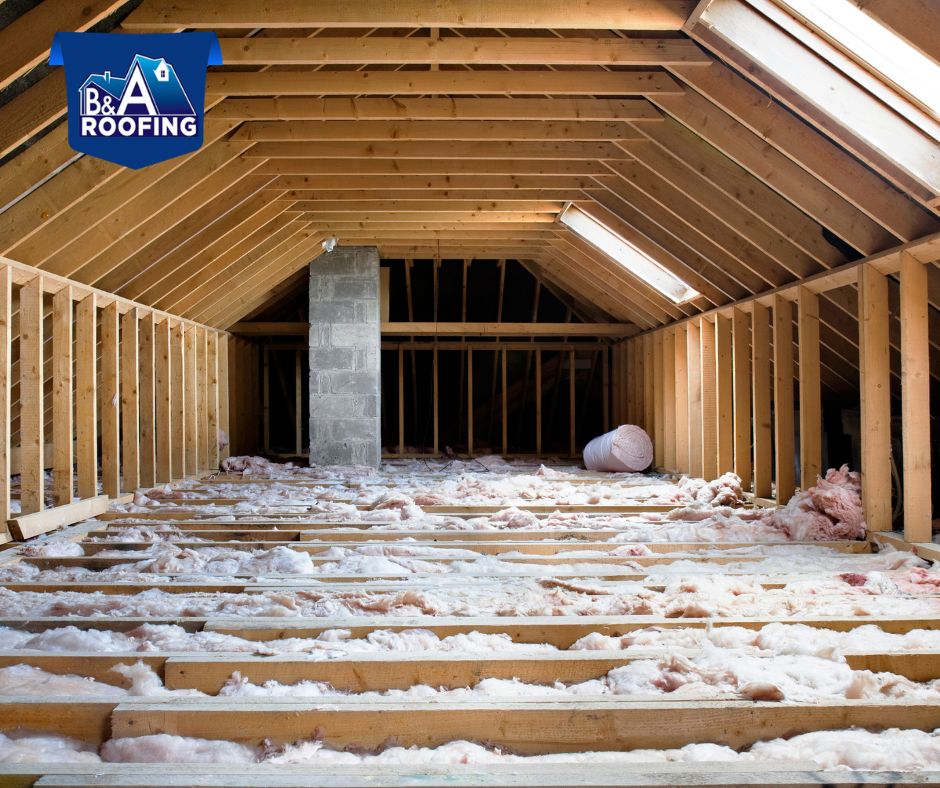
Warm air rises. That one simple fact explains most of the story. In winter, the heated air in your living space wants to drift upward, and every gap, hole, and crack in your ceiling gives it a path into the attic. As that warm air leaves, cold outdoor air is pulled in through gaps lower in the house to replace it. Your heater then works harder to heat that replacement air, and you pay for it twice. Insulation slows the conduction of heat through the ceiling, but insulation by itself does not stop air from moving through gaps, which is why air sealing matters just as much as how many inches of insulation you have.
The U.S. Department of Energy’s building science guidance on air sealing existing attics explains that effective air sealing between the attic and the conditioned space of the home saves energy and reduces fuel bills, and that it also helps prevent moisture problems in the attic. In other words, sealing the ceiling is a two for one: it trims the heating bill and protects the roof structure above.
🌡️ Air Leaks
Gaps around lights, vents, hatches, wiring, and the tops of walls let heated air move into the attic. This is usually the largest and cheapest problem to fix.
🧱 Thin or Uneven Insulation
Older Pine Belt homes often have less insulation than current recommendations, and it can be compressed, uneven, or pushed aside by past work.
💨 Leaky Attic Ducts
When heating ducts run through the attic, disconnected joints and uninsulated sections send heated air into a space you are not trying to warm.
💧 Wet Insulation from Roof Problems
Insulation that has gotten wet from a roof leak does not perform like dry insulation. A small leak can quietly raise your bill for years.
❓ FAQ: Can the roof and attic raise heating bills?
Yes, in several ways, and the roof is a bigger part of the story than most people think. The attic is the buffer between your heated rooms and the outdoors, so anything that weakens that buffer shows up as home heat loss through roof and ceiling pathways. Leaky ceilings send heated air into the attic. Thin insulation lets heat conduct through the ceiling. Wet insulation, caused by a roof leak, loses much of its ability to resist heat flow. Blocked or inadequate ventilation can trap moisture that dampens insulation and framing. And leaky ductwork in the attic can dump a large share of your heated air into a space you never meant to heat.
A roof leak is a particularly sneaky offender because the evidence may not show up on the ceiling for a long time. The water soaks the insulation first. When our inspectors check an attic, they look at the underside of the roof deck, the condition of the insulation, ventilation, and any signs of moisture, because a roof problem is often the hidden reason a house is hard to heat. Our full range of roofing services starts with an inspection that includes the attic for exactly that reason.
Pine Belt Factors: Trees, Storms, and the Roof Above Your Attic
Hattiesburg and the surrounding Pine Belt have a few local quirks that affect how a roof and attic perform. The canopy of pines and hardwoods that makes the region so green also shades roofs, keeps them damp longer, and drops needles and leaves that can block soffit vents and gutters. When soffit vents get blocked, an attic loses the airflow that carries moisture out, and damp insulation is the likely result. Falling limbs add the occasional puncture or cracked shingle, and a small opening is all moisture needs to get into the insulation below.
Then there is the storm history. On February 10, 2013, an EF4 tornado struck West Hattiesburg, Hattiesburg, and Petal, and on January 21, 2017, an EF3 tornado tracked through Lamar and Forrest counties. Many homes in the area have been through storms, temporary tarps, patched sections, and repairs of varying quality since then. A storm damaged roof that was patched quickly can hide wet insulation, torn underlayment, or displaced ventilation components. If your heating bill climbed after a storm or a repair, that is worth investigating.
| Pine Belt Factor | How It Can Affect the Attic and Your Bill | What to Check |
|---|---|---|
| Heavy tree cover | Shaded roofs stay damp, and needles and leaves can block soffit vents and gutters | Soffit vents, gutters, algae streaks, damp insulation near the eaves |
| Falling limbs | Punctures and cracked shingles let moisture reach the insulation | Missing or cracked shingles, stains on the underside of the deck |
| Past storm damage and quick repairs | Patches and tarps can hide torn underlayment and wet insulation | Attic staining, matted insulation, odd odors, repair history |
| Older homes | Often less insulation and more air leaks than current standards | Insulation depth, attic hatch condition, ceiling penetrations |
| Humid climate | Moisture in a poorly ventilated attic can dampen insulation and framing | Ventilation, frost or condensation on nail tips in cold snaps |
Where the Biggest Attic Air Leaks Hide
❓ FAQ: Where are the biggest attic air leaks?
The Department of Energy’s guidance on air sealing lists the common attic related leak points: the attic hatch, dropped soffits, duct registers, plumbing vent stacks, recessed lights, and the top plates where interior walls meet the attic floor. In real homes, the worst offenders are usually the attic hatch or pull down stairs, which are often uninsulated and unsealed, followed by recessed lights that are not sealed, wall top plates with gaps, bath fan housings, openings around plumbing and wiring, and chases around chimneys and ducts. These spots are easy to miss because they are hidden under insulation, but together they can add up to a large hole in your ceiling.
The rule of thumb among energy professionals is to seal air leaks first and then add insulation, because insulation does not reliably stop airflow. Sealing the attic floor is often one of the highest impact upgrades in a home, and it makes any insulation you add perform better. If you are not comfortable crawling through an attic, an energy auditor or insulation contractor can do a blower door test and a thorough sealing job.
Every home is different, and a professional will tailor the order to what is actually in your attic.
| Leak Location | Why It Leaks | Typical Approach |
|---|---|---|
| Attic hatch or stairs | Often thin, loose fitting, and uninsulated | Weatherstrip the edges and add an insulated cover |
| Recessed lights | Many fixtures are open to the attic | Use sealed, insulation rated fixtures or approved covers |
| Top plates | Gaps where walls meet the attic floor | Seal gaps with appropriate caulk or foam before insulating |
| Ducts and registers | Disconnected joints and leaky seams | Seal with mastic or approved tape and insulate |
| Plumbing vent stacks and wiring holes | Oversized openings around pipes and cables | Seal around penetrations with the right sealant |
| Dropped soffits and chases | Hidden voids that connect rooms to the attic | Block and seal the void so air cannot travel through it |
Is a Cold Attic Normal? Reading the Signs
❓ FAQ: Is a cold attic normal?
Yes. In a typical vented attic, a cold attic in winter is actually a good sign. A well sealed and insulated ceiling keeps the heat in the living space, so the attic tracks close to the outdoor temperature, and the roof deck stays cold. That is the design. The warning sign is the opposite: an attic that feels noticeably warm in winter often means heated air is leaking up from the house, which wastes energy and can cause moisture problems on a cold roof deck. Frost on the underside of the deck or on nail tips during a cold snap, damp insulation, or musty smells point to moisture, which often comes from air leaks and poor ventilation or from a roof leak.
So the question is less “is my attic cold” and more “is my attic cold for the right reasons.” A cold attic with a warm, comfortable house and a reasonable bill is what you want. A cold, drafty house with a high bill suggests heat is escaping through the ceiling or that insulation is thin or damp.
| What You Notice | Likely Meaning | What to Do |
|---|---|---|
| Attic is cold, house is comfortable, bill is reasonable | Normal and healthy | Keep up routine roof and attic checks |
| Attic is cold, house is drafty, bill is high | Air leaks or thin insulation | Air seal the ceiling, then upgrade insulation |
| Attic feels noticeably warm in winter | Heated air leaking up, or attic ducts losing heat | Inspect air sealing and ductwork |
| Frost or dampness on the deck or nails | Moisture from air leaks, poor ventilation, or a roof leak | Have the attic and roof inspected soon |
| Matted, stained, or smelly insulation | Wet insulation, likely from a leak | Find the source of the water before adding or replacing insulation |
Upgrading Attic Insulation in Hattiesburg: What to Know
Once leaks are sealed and any roof problems are fixed, an attic insulation upgrade Hattiesburg homeowners choose can make a real difference. Recommended attic insulation levels for this part of the Gulf South generally fall in the range of about R-38 to R-60 depending on your climate zone, how much insulation you have now, and how your attic is built, so ask whoever evaluates your home for the target that fits your house. The depth needed depends on the material. Loose fill fiberglass has a lower R-value per inch than cellulose, which means you need more of it to reach the same level.
Bar lengths are proportional to the approximate inches shown. A quick ruler check in your attic will tell you roughly where you stand.
A note on sequence, because it saves money: fix roof leaks first, then air seal, then add insulation. Insulating over wet or damaged material traps the problem, and insulating over unsealed leaks wastes much of the benefit. If a roof problem turns up during an attic check, prompt roof repair comes first so the new insulation stays dry. If the roof is near the end of its life, our guide on new roof costs gives realistic regional benchmarks, and a payment plan for roof projects can help you tackle the roof and attic together rather than putting one off.
What About an Energy Efficient Roof?
When people search for an energy efficient roof Hattiesburg has to offer, they are usually thinking about two different things. The first is the roof system itself, which includes proper ventilation, a sound deck and underlayment, and a surface that sheds water. The second is the roof’s reflectivity, which mostly affects cooling in the long Mississippi summers rather than heating in winter. Lighter and cooler colored roofing reflects more of the sun’s heat, and if you are replacing a roof anyway, our guide to the most popular roof colors can help you weigh looks against heat. Metal roofing can also be finished with reflective coatings, and our guide on the best paint for metal roof systems covers the options.
For your winter heating bill, though, the biggest wins come from what is under the roof: air sealing, insulation, ductwork, and a dry attic. A new roof by itself will not fix a drafty ceiling, but a roof replacement is a good moment to inspect the attic, correct ventilation, and replace any damaged deck sections. If your property includes a flat section such as a porch or addition, our guide on a properly designed flat roof drainage system explains why ponding water causes leaks and wet insulation there too.
A Simple Plan to Find and Fix the Problem
Check Your Bills and Comfort Patterns
Note whether the house is drafty, whether certain rooms are always cold, and whether your bill jumped after a storm or repair.
Look at the Attic Safely
Step only on joists or boards, wear protection, and look for thin or matted insulation, stains on the deck, and gaps around hatches, lights, and pipes.
Rule Out Roof Leaks and Ventilation Problems
Have the roof and attic inspected so moisture problems are fixed before anything is sealed or insulated.
Air Seal and Fix Attic Ducts
Seal the ceiling leaks and any duct leaks. This step often delivers the biggest return.
Upgrade Insulation to the Right Level
Ask for the recommended target for your home and add insulation evenly across the attic floor.
How B&A Roofing Helps Pine Belt Homeowners With Cold Attic and High Bill Problems
- Attic first inspections. We check the underside of the roof deck, insulation condition, ventilation, and signs of moisture, with photographs and a written explanation.
- Roof leak diagnosis. If water is wetting your insulation, we find the source before any other work is recommended.
- Honest scope. If your issue is mainly air sealing, ducts, or insulation, we will tell you what we see and what falls outside roofing so you can bring in the right specialist.
- Storm and insurance support. After a storm, we document damage, attend adjuster inspections, and never require an assignment of benefits or propose deductible waivers.
- A real local office. 5 Rivers Dr, Suite 40, Hattiesburg MS 39401, with the same standards across our network, including our huntsville roof team, our roofing contractor in birmingham office, and our commercial roof installation tupelo team for commercial properties.
Call our Hattiesburg office at (601) 202-1608 to schedule a free roof and attic inspection.
One quick test you can do today: on a cold morning, put your hand near the attic hatch or pull down stairs and feel for a draft or a cold spot. Then look at the hatch itself. If it is thin, uninsulated, or does not seal, you have probably found your first project. It is one of the cheapest and most effective fixes in the house, and it takes an afternoon.
Cold House, High Bill? Start at the Top.
B&A Roofing offers free roof and attic inspections across Hattiesburg and the Pine Belt. We check for leaks, ventilation problems, and wet insulation, document everything with photos, and give you a straight answer. GAF Master Elite® certified.
Schedule Your Free Roof and Attic InspectionFree inspections · Photos and written findings · Hattiesburg and the Pine Belt · (601) 202-1608