
Chimneys are essential components of many homes across Mississippi and Northern Alabama, yet they often go unnoticed until problems arise. The region’s unique climate patterns, characterized by high humidity, seasonal storms, and occasional temperature extremes, can accelerate chimney deterioration and create safety hazards for homeowners. Understanding the warning signs of chimney damage is crucial for maintaining home safety and preventing expensive repairs down the road.
When a chimney begins to fail, it rarely happens without warning. Subtle signs of chimney damage often appear well before catastrophic problems develop. Cracked masonry, water damage, and unusual odors are just a few signs that your chimney may require professional attention.
Beyond the obvious safety problems that can occur with a damaged chimney, including potential fire hazards and carbon monoxide risks, untreated chimney structural issues can lead to decreased energy efficiency and extensive damage to the surrounding areas of your home. Weather patterns specific to the Southeast make chimneys particularly vulnerable to moisture-related deterioration, which often accelerates during the region’s rainy seasons.
Signs on the Exterior Chimney Damage
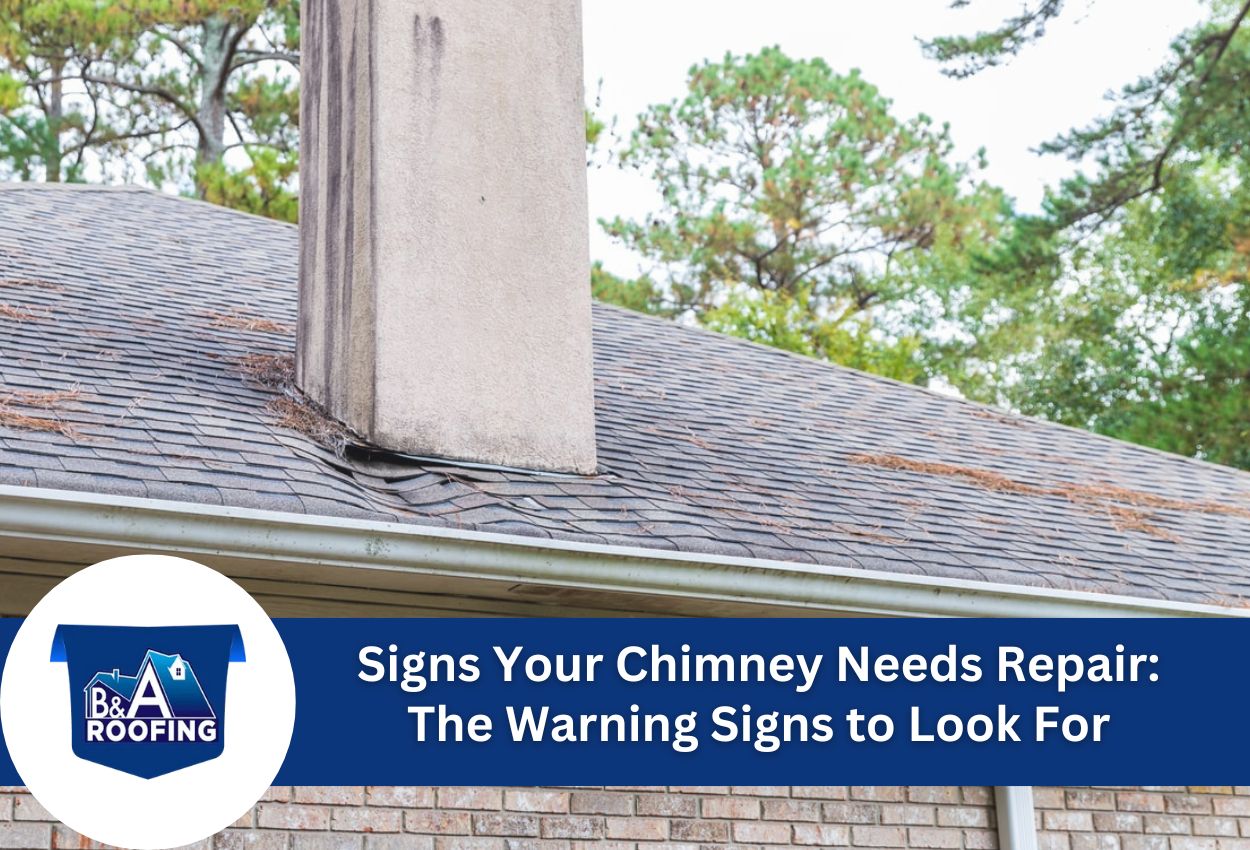
Identifying exterior chimney damage early can save homeowners significant time and expense. Cracked bricks appear as visible fractures running vertically, horizontally, or diagonally across your chimney’s masonry. These cracks often start small but widen over time as water seeps in. Spalling, another common issue, occurs when the face of bricks flake, peel, or pop off, leaving pitted surfaces that expose inner layers to more damage. Deteriorating mortar joints show up as receding, crumbling, or completely missing mortar between bricks, which is also known as a condition called mortar joint failure.
The unique climate conditions in Mississippi and Northern Alabama create perfect conditions for accelerated chimney deterioration. Mississippi’s high humidity levels cause moisture to infiltrate brick and mortar, weakening these materials over time. In Northern Alabama, the freeze-thaw cycles during the winter are particularly damaging. Water may enter into small cracks, widen the, and even more as the water freezes and thaws repeatedly.
Early intervention is critical when these signs of chimney damage appear. What begins as minor cracking or spalling can quickly compromise your chimney’s structural integrity, leading to water damage inside your home, decreased heating efficiency, and even collapse in extreme cases. Professional inspection can identify these moments in which your chimney is asking for repair before major renovations are required.
Water Damage and Moisture Problems
Water infiltration is perhaps the most destructive force affecting chimneys across Mississippi and Northern Alabama. The region’s heavy rainfall and humidity create the perfect conditions for moisture damage that can compromise your entire chimney system. Watch for water stains on both the outside and inside of the chimney. These brownish discolorations often indicate that water has entered the structure. Rust marks around metal components like dampers or fireboxes signal ongoing moisture exposure that requires immediate attention.
Another key sign your chimney needs repair is efflorescence, which is a white, powdery substance on brick surfaces. This crystalline deposit occurs when water dissolves salts within the masonry and carries them to the surface. While seemingly harmless, efflorescence confirms that moisture is actively moving through your chimney walls, potentially causing hidden structural damage.
Several parts of the chimney play active roles in preventing water infiltration, but when these parts are damaged, your chimney is bound to need repairs or a replacement. A damaged chimney cap allows rain to enter directly down the flue, while deteriorated chimney crowns (the concrete top that covers the brick structure) develop cracks that trap moisture. Flashing around the area where the chimney meets the roof can create entry points for water if it fails, damaging both your chimney and roofing structure. During visual inspections, pay special attention to these areas, especially after major storms when chimney structural issues are most likely to develop.
Drafting Issues and Smoke Problems
When smoke backs up into your home instead of venting properly through the chimney, it’s more than just an inconvenience — it’s a warning sign that something is seriously wrong. Difficulty starting fires or experiencing downdrafts (when air flows down the chimney instead of up) points to the possibility of a chimney blockage or structural problems that demand immediate attention. These issues not only create unpleasant living conditions but can pose serious safety hazards to Mississippi and Northern Alabama homeowners.
Creosote buildup is one of the most common causes of performance issues with chimneys. This highly flammable, tar-like substance accumulates on chimney walls over time, gradually restricting airflow. Our region’s tendency toward milder winters means many homeowners burn fires at lower temperatures, which accelerates creosote formation compared to colder climates where hotter fires are maintained. Animal nests present another regional challenge, as our Southern climate provides an ideal habitat for birds, squirrels, and other wildlife that may choose your chimney for shelter.
Debris that’s accumulated, such as fallen leaves, twigs, and deteriorating chimney materials, can create dangerous blockages that prevent proper ventilation. These obstructions trap carbon monoxide and other harmful gases inside your home while increasing the risk of fire. If you notice smoke problems or unusual drafts, consider these significant chimney maintenance warning signs that require professional evaluation to identify underlying chimney structural issues before they create more serious hazards.
Chimney Leaning or Structural Shifts
A leaning chimney or structural shifts represent one of the most serious signs your chimney needs repair, particularly in Mississippi and Northern Alabama, where clay-rich soils cause unique foundation problems. A properly constructed chimney should stand perfectly vertical, so any visible tilting or separation from your home indicates potential structural failure. Look for widening gaps between your chimney and exterior walls, uneven settling where the chimney meets the roof, or a noticeable lean that wasn’t previously there.
The region’s expansive clay soils contribute significantly to these problems. During dry periods, these soils contract, potentially causing the foundation to move, while during heavy seasonal rain, they expand, creating pressure against foundation structures. This continuous cycle of expansion and contraction can gradually push chimneys out of alignment. Additionally, poor initial construction, inadequate footings, or water damage to the foundation can accelerate chimney structural issues.
A leaning chimney directly impacts your roof’s integrity. As the chimney shifts, it stresses connecting roof elements, potentially damaging flashing, creating points for water entry, and compromising structural supports. Left unaddressed, these problems build up over time, and what begins as a slight tilt can progress to major structural failure, roof damage, and water infiltration throughout your home. Professional assessment of these issues helps determine whether stabilization, repair, or complete rebuilding is necessary to protect your home.
Damaged or Missing Chimney Components
The ability for your chimney to function depends on several important parts working together as a system. When these parts become damaged or go missing, they create vulnerabilities that impact your entire chimney. Chimney liners with cracks, holes, or deteriorating joints allow dangerous gases to escape into your home rather than venting them outside. Look for white staining on interior walls of the chimney or pieces of flaking material in the firebox, both of which indicate liner failure. Rusted dampers often stick in position or fail to create proper seals, reducing your ability to control airflow and causing smoke problems.
Chimney caps and crowns are particularly vulnerable in Mississippi and Northern Alabama’s climate. Our region’s high humidity, frequent rainfall, and occasional severe storms create ideal conditions for quick deterioration. A damaged chimney cap allows water, animals, and debris direct access to your flue, while a cracked crown becomes a moisture collection point. Once water enters these protective barriers, the freeze-thaw cycles of the winter months (especially in Northern Alabama) expand these small cracks into major structural issues.
Damage to one part of the chimney can have reverberating effects on other parts. A missing cap leads to water entry, which deteriorates the liner, allowing moisture into the masonry, which compromises structural integrity. Regular inspection of these parts of the chimney is crucial for identifying warning signs of damage before they develop into expensive structural issues requiring complete rebuilding rather than simple repairs.
When Should You Call a Professional Chimney Inspector?
While some chimney issues are obvious to homeowners, many serious problems develop out of sight, making professional inspections essential. The National Fire Protection Association recommends annual chimney inspections, but certain situations require immediate professional assessment. If you’ve experienced severe weather events common to Mississippi and Alabama, such as hurricanes, tornadoes, or prolonged periods of heavy rain, your chimney may have sustained damage even if it appears intact from ground level. Lightning strikes, even nearby ones, can create invisible cracks along the structure of the chimney.
Other scenarios that require quick professional evaluation include the moments after experiencing any of the previously mentioned warning signs, following a chimney fire (even a small one), before purchasing a home with an existing chimney, or when you notice wildlife entering or exiting your chimney. If you’re planning to change your heating system or install a new appliance that will connect to your chimney, professional inspection should come before any modifications.
Professional chimney inspectors bring expertise that allows them to uncover hidden damage ordinary homeowners might miss. Using tools like infrared cameras, they can detect moisture intrusion within masonry walls, while specialized video scanning equipment allows thorough examination of flue liners and interior structures. Certified chimney professionals follow established inspection protocols that systematically evaluate every part of the chimney, identifying potential issues before they become worse and turn into dangerous situations or require extensive repairs. This proactive approach to chimney maintenance ultimately saves homeowners both money and peace of mind.
Expert Chimney Repair Services in Mississippi and Northern Alabama
If you’ve noticed any of the signs discussed, such as cracking, spalling, water damage, or drafting issues in your chimney, it’s crucial to act swiftly to avoid further damage and potential safety risks. B & A Roofing and Gutters specializes in diagnosing and repairing chimney problems, ensuring your home remains safe and your chimney operates efficiently. Don’t wait for the problem to become worse, as early intervention can save you from expensive repairs in the future.
Whether it’s cracks in the chimney, maintenance warning signs, or other structural issues, our team of experts is here to help. For professional guidance and to schedule an inspection, call us today at (601) 520-3183.