
Finalizing Roofing Material and Color for Your New Build
You’ve made it to one of the most satisfying stages of a new build — the point where decisions start to feel real and the project starts to have a look. Finalizing your roofing material and color might seem like a design decision, but it’s also a technical one, a budget one, and depending on your neighborhood, a compliance one too. Get it right now and it simplifies everything downstream: permits, installation scheduling, contractor coordination, and long-term maintenance planning.
This guide walks you through the material comparison, the color selection process, HOA considerations, and how to make sure what’s on your spec sheet reflects what actually ends up over your head.
Why Roofing Material Choice Matters More at the New Build Stage
On a replacement project, your material choice is partly constrained by what’s already there — the deck pitch, the existing flashing, and what the structure was designed to carry. On a new build, you have full latitude. That’s an advantage, but it also means there’s no default to fall back on. The decision is entirely yours, and it has implications for your energy performance, insurance premiums, long-term maintenance costs, and resale value that stretch well beyond aesthetics.
The roofing material you choose at the new build stage also affects permitting timelines. Some materials — particularly metal systems and certain flat roof assemblies — require more detailed plan review than a standard asphalt shingle spec. If you’re working toward a specific project completion date, your material selection needs to be finalized early enough to allow permit approval before installation begins. According to the U.S. Department of Energy’s Building Energy Codes Program, roofing material solar reflectance values are increasingly incorporated into residential energy code requirements across Southern states — another reason your material spec is a technical decision, not just a style one.
Roofing Material Options for New Builds: Side-by-Side Comparison
Here’s how the main residential roofing materials stack up across the factors that matter most when you’re finalizing a new build spec.
| Material | Lifespan | Energy Performance | Color Range | Permit Complexity | Cost Range |
|---|---|---|---|---|---|
| Architectural shingle | 25–30 yrs | Good (cool-roof options available) | Very wide — 50+ options per brand | Low — standard review | $$ |
| Impact-resistant shingle | 30–40 yrs | Good | Wide — fewer options than standard | Low | $$$ |
| Standing seam metal | 40–70 yrs | Excellent — reflects solar heat | Wide — Kynar finishes, custom options | Moderate — may need wind uplift calc | $$$$ |
| Metal shingle / shake | 30–50 yrs | Very Good | Moderate range | Low to Moderate | $$$–$$$$ |
| Clay / concrete tile | 50+ yrs | Very Good — natural ventilation gap | Wide — glazed and matte options | Moderate — structural load review needed | $$$$ |
Roofing Material Samples: How to Evaluate Before You Commit
FAQ: Can I see roofing material samples before finalizing?
Yes — and you should insist on it, especially for a new build where the roofing decision is being made from scratch rather than matching an existing system. Most quality roofing contractors can provide physical shingle samples, metal panel color chips, or tile samples on request. Manufacturer showrooms and contractor offices often have full sample boards that let you evaluate texture, granule depth, and color under different lighting conditions. For metal roofing, ask specifically for Kynar-coated samples rather than painted samples — the finish quality is meaningfully different and affects long-term color retention. Don’t finalize a color from a printed brochure or a screen; roof colors read differently at distance, in full sun, and against different wall and trim combinations than they do in a catalog.
What to Request When Evaluating Samples — New Build Checklist
Physical sample in hand — not a photo, not a brochure. Evaluate texture, weight, and granule density in person.
View in full sun — colors look significantly different under direct sunlight than indoors. Hold the sample outside at roof pitch angle.
Compare against exterior wall and trim samples simultaneously — your roof color needs to work with siding, brick, fascia, and window trim together.
Request cool-roof SRI data — if energy performance is a factor, ask for the Solar Reflectance Index rating of your top choices.
For metal: request Kynar-coated chip — painted finishes fade; Kynar (PVDF) retains color for decades and is the finish standard on quality metal roofing.
Confirm color is in-stock or confirm lead time — some premium colors and special-order shades add 2 to 6 weeks to your material delivery timeline.
Choosing a Roof Color That Works With Your Home’s Exterior
FAQ: How do I choose a roof color that matches my home’s exterior?
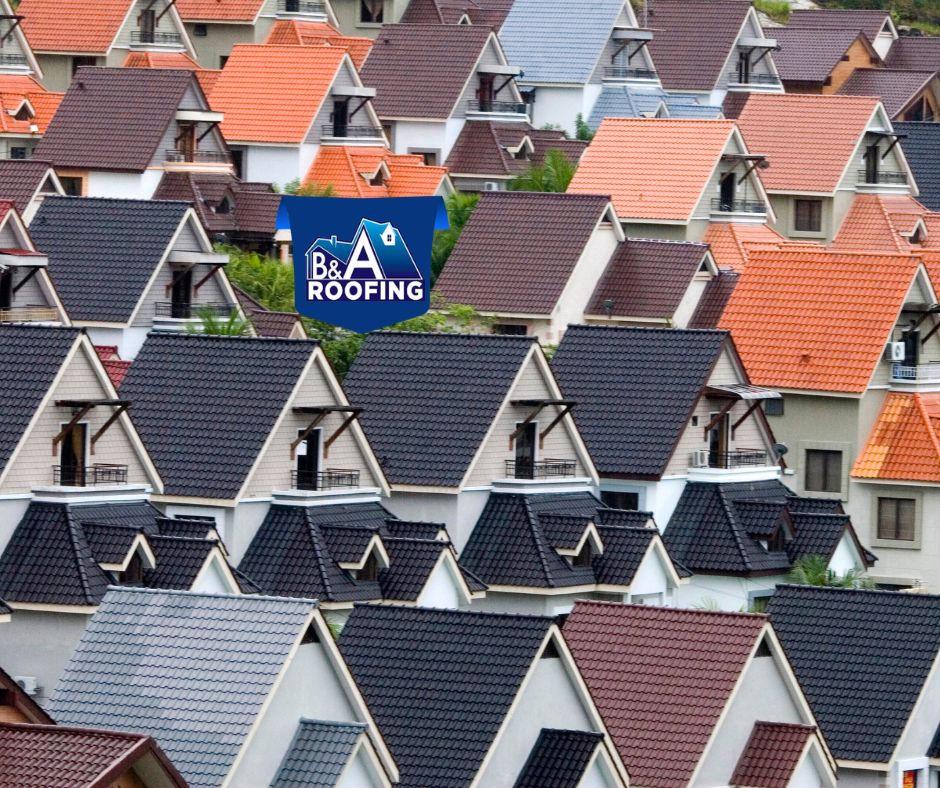
Start with your dominant exterior material — brick, siding, or stucco — and work from there rather than choosing a roof color in isolation. Warm-toned exteriors (red brick, tan stucco, cedar siding) tend to pair well with warm roof tones like brown, weathered wood, or terra cotta. Cool-toned exteriors (gray siding, white stucco, blue stone) work well with charcoal, slate, or cool brown tones. Beyond aesthetics, lighter roof colors reflect more solar heat — meaningful in the South where cooling costs are real. And practically speaking, a medium-to-dark gray or charcoal roof is one of the most universally resale-friendly choices because it reads as neutral against virtually any exterior combination.
| Exterior Material / Tone | Roof Colors That Work Well | Colors to Approach With Care |
|---|---|---|
| Red or dark brick | Charcoal, slate gray, weathered brown, black | Warm tan or buff — can clash with orange-toned brick |
| Tan or cream brick | Brown, weathered wood, terra cotta, dark gray | Pure black — can create too high a contrast |
| Gray or white siding | Charcoal, slate, black, cool gray | Warm brown — reads muddy against cool-toned walls |
| Blue or green siding | Charcoal, slate gray, black | Red-toned or warm brown — competes with cool siding |
| Cedar or wood siding | Weathered wood, dark brown, forest green metal | Pure gray — can flatten natural warmth of wood |
| Tan or beige stucco | Terra cotta, brown, warm gray, clay | Black — too stark a contrast on warm-toned stucco |
Roof Color and Heat Absorption — Southern Climate Impact
Shorter bar = less heat absorbed = lower attic temp and cooling load. Important for Alabama, Mississippi, and Georgia new builds.
Note: cool-roof granule technology in some shingle lines improves heat performance even in darker colors — ask your contractor about Energy Star-rated options.
HOA Roofing Material Approval: What to Know Before You Finalize
FAQ: Does HOA approval affect roofing material choice?
If your new build is in an HOA-governed community, yes — and this is one of the most important things to confirm before your material and color selection is finalized. Most HOAs restrict roofing to a specific list of approved materials, approved color ranges, or both. Some communities require a specific shingle profile or prohibit certain metal finishes entirely. The approval process itself can take two to six weeks depending on the HOA’s meeting schedule, and starting work without approval can result in required removal and replacement at your expense. Request the HOA’s Architectural Review Committee (ARC) guidelines before you present options to your contractor, not after.
| HOA Step | When to Do It | What You Need |
|---|---|---|
| Request ARC guidelines | Before shortlisting materials | Community CC&Rs and ARC application form |
| Submit material and color proposal | Once contractor spec is drafted | Manufacturer spec sheet, color chip, sample photo |
| Await ARC decision | Allow 2 to 6 weeks | Written approval letter before scheduling installation |
| Keep approval on file | For the duration of your ownership | Reference document for future disputes or resale |
Permits, Timing, and Installation Sequencing for New Builds
On a new build, roofing typically falls into the construction sequence after framing and sheathing are complete and before exterior finish work begins. That window is tighter than it sounds, because weather exposure to unprotected decking is a real risk, and your builder’s schedule downstream depends on the roof being weather-tight before insulation, HVAC rough-in, and interior finish work can begin.
Here’s a practical sequencing guide to make sure your material decision doesn’t become a bottleneck.
New Build Roofing Decision Timeline — Work Backwards From Your Install Date
8 to 10 Weeks Before Install — Finalize Material and Color
Evaluate samples, confirm HOA requirements, align with builder spec. Lock in your choice so nothing delays material ordering.
6 to 8 Weeks Before Install — Submit HOA and Permit Applications
HOA ARC review and building permit both need processing time. Don’t assume approval is automatic or fast.
4 to 6 Weeks Before Install — Confirm Material Order and Delivery
Standard colors ship quickly; specialty or custom colors may need 4+ weeks. Confirm delivery against your framing completion date.
2 Weeks Before Install — Schedule Roofing Crew
Confirm installation date with your contractor. Ensure deck is complete and dry before crew arrives. Temporary weatherproofing may be needed if timeline slips.
Install Day — Inspection and Sign-Off
Post-installation inspection confirms permit compliance. Request photo documentation and written warranty before final payment.
Material-Specific Considerations Worth Raising With Your Contractor
Different materials carry different post-installation maintenance considerations that are worth understanding at the design stage, not after move-in. For metal roofing, the long-term finish is heavily dependent on the coating system. Asking your contractor upfront about the best paint for metal roof surfaces — and whether the factory finish on your panels is Kynar-based or a lesser coating — affects your 20-year maintenance picture significantly. For any home with a flat or low-slope section, the flat roof drainage system design needs to be part of the architectural review, not an afterthought added after framing is complete.
For commercial new builds in the region, the project planning timeline is longer and the permitting requirements more detailed. Our team’s experience with commercial roof installation tupelo reflects the kind of pre-construction coordination that keeps those projects on schedule. And before you finalize your budget for any new build roofing project, reviewing current roof repair cost tupelo mississippi benchmarks gives you a regional cost reference that’s more useful than national averages for this market.
Whether your project is in Mississippi, Alabama, or Georgia, our team’s regional reach means the same quality and accountability travels with the job. Homeowners and developers looking for a dependable clarke county roofing company for new construction or a trusted roofing contractor athens al builders rely on will find the same process-driven approach we apply to every project in our service area.
New Build Roofing Decision Summary
| Decision Area | Key Action | Common Mistake to Avoid |
|---|---|---|
| Material selection | Request physical samples; compare energy ratings | Choosing from a printed catalog or screen only |
| Color selection | Evaluate against exterior materials in full sun | Choosing color in isolation from wall and trim tones |
| HOA compliance | Request ARC guidelines before shortlisting options | Submitting materials before confirming HOA requirements |
| Permit timeline | Start permit process 6 to 8 weeks before install | Assuming permit approval is fast or automatic |
| Material ordering | Confirm lead time for specialty colors before finalizing | Selecting a custom color without confirming delivery window |
| Contractor selection | Verify manufacturer certification for warranty eligibility | Choosing based on price alone without checking spec parity |
The Bottom Line
Finalizing your roofing material and color for a new build is one of the few decisions that touches aesthetics, energy performance, permit compliance, HOA approval, and long-term maintenance all at once. Approach it with the same preparation you’d bring to any other major spec decision — get physical samples, confirm your community’s requirements, understand what the material choice means for your installation timeline, and work with a contractor who can walk you through the technical trade-offs clearly.
At b & a roofing, we work with new build clients at every stage of the material and design decision — from first sample review through permit coordination to final installation and inspection sign-off. If you’re finalizing your new build roofing spec and want a team that treats every detail as seriously as you do, B&A Roofing is ready to help.